
How to lubricate your garage door tracks for a silent home
Why Lubricating Garage Door Tracks Keeps Your Home Quiet and Your Door Healthy
Lubricating garage door tracks — and the moving parts around them — is one of the simplest maintenance tasks a homeowner can do to prevent costly repairs down the road.
Quick answer:
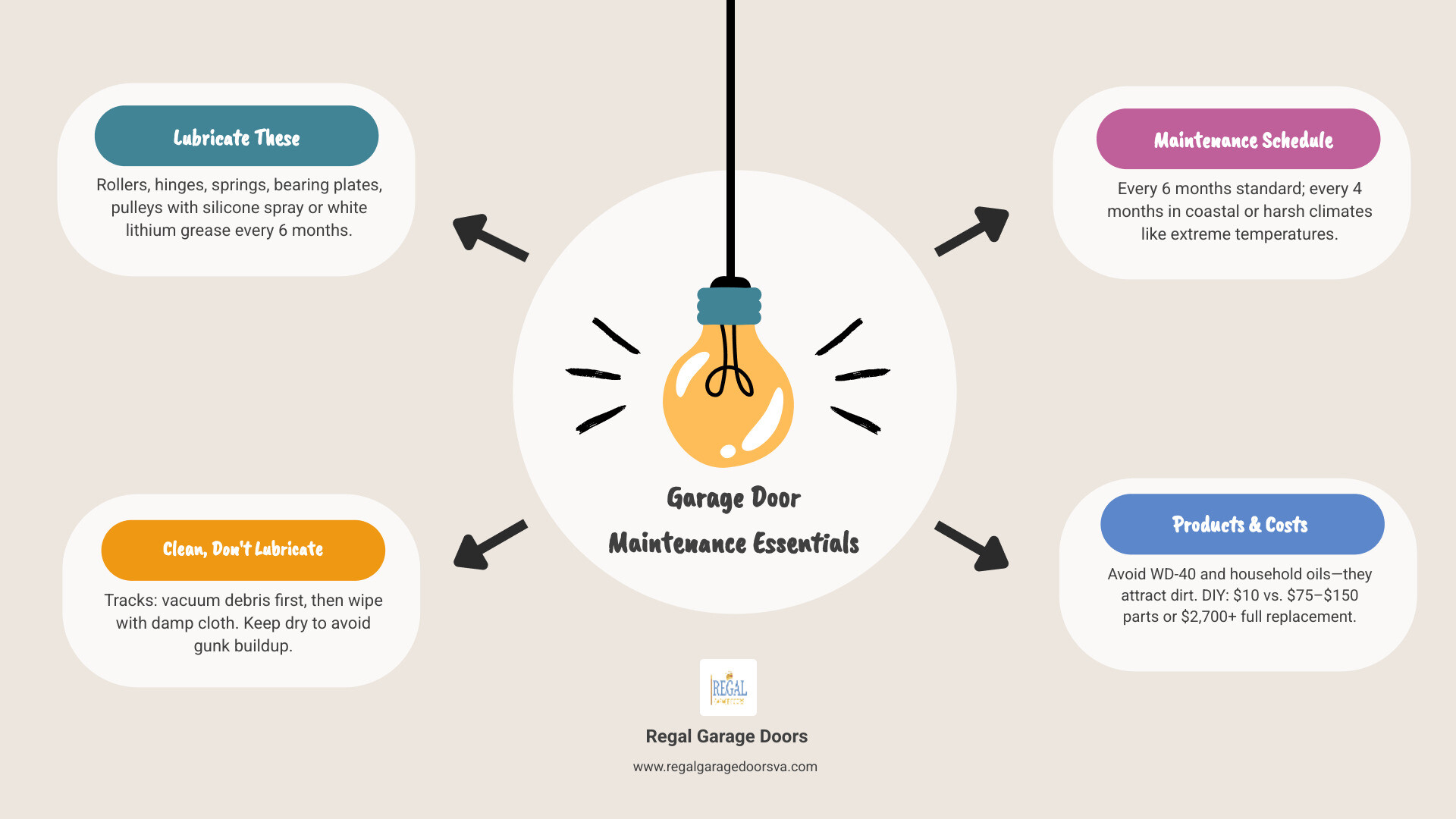
- Do lubricate: rollers, hinges, springs, bearing plates, and pulleys — every 6 months
- Do not lubricate: the tracks themselves — keep them clean and dry instead
- Best products: white lithium grease or silicone spray
- Avoid: regular WD-40 — it attracts dirt and dries out quickly
- Cost of neglect: roller and hinge replacement runs $75–$150; full door replacement can exceed $2,700
A noisy garage door is more than just annoying. That grinding, squeaking, or screeching sound is your door telling you something is wrong. Left alone, the friction builds up, wears out rollers and hinges, and can even snap a spring under tension.
The good news? Preventing all of that takes about 20 minutes and less than $10 in supplies.
But here's where most homeowners go wrong: they grab whatever's in the garage — usually WD-40 or a general household oil — and spray it everywhere, including the tracks. That actually makes things worse. Lubricant inside the tracks attracts dirt and gunk, which clogs up roller movement over time.
This guide walks you through exactly what to lubricate, what to skip, and how to do it safely.
Understanding the Role of Lubricating Garage Door Tracks
When we talk about lubricating garage door tracks, we are often addressing the most misunderstood part of garage maintenance. In our experience serving the Shenandoah Valley, from Harrisonburg to Waynesboro, we see many homeowners who believe that slathering grease inside the metal rails is the key to a quiet door. In reality, the tracks are designed to provide a clean, smooth path for the rollers to travel.
The primary goal of maintenance here is friction reduction and moisture repulsion. However, the tracks themselves should remain relatively dry. If you apply heavy grease to the tracks, it acts like a magnet for dust, pet hair, and debris. Over time, this mixture creates "miniature chock blocks" that actually hinder the rollers rather than helping them.
If your door is making a high-pitched screeching sound, the issue might be alignment or dirty rails rather than a lack of oil. You can Learn more about common screeching issues and rail cleaning to see how debris accumulation impacts performance. Proper track maintenance ensures that your door stays in alignment and doesn't strain the opener. For those who prefer a professional touch to ensure everything is balanced, you can find more info about residential services on our site.
The Best Products for a Silent Garage Door
Using the right "fuel" for your garage door is critical. We always tell our neighbors in Staunton and Fishersville that a $10 can of the right lubricant can save you from a $2,700 replacement bill.
The two heavy hitters in the industry are silicone spray and white lithium grease.
- Silicone Spray: This is a "dryer" lubricant. It is excellent for reaching tight spots like ball bearings and is highly resistant to temperature fluctuations—something we definitely deal with here in Virginia. It repels water well and doesn't attract as much dust.
- White Lithium Grease: This is a thicker, "wetter" grease. It’s fantastic for metal-on-metal contact points, like hinges and the screw drive of an opener. It stays where you put it and provides a heavy-duty protective barrier.
Silicone vs. White Lithium Grease Comparison
| Feature | Silicone Spray | White Lithium Grease |
|---|---|---|
| Best For | Nylon rollers, small bearings, tight spaces | Metal hinges, springs, screw drives |
| Temperature Resistance | Excellent (High and Low) | Good (can thicken in extreme cold) |
| Dust Attraction | Very Low | Moderate |
| Consistency | Thin/Liquid | Thick/Creamy |
We often recommend homeowners Check out professional-grade white lithium grease for their annual tune-up.
Why Regular WD-40 Fails
One of the biggest myths in DIY maintenance is that regular WD-40 is a lubricant. The "WD" stands for Water Displacement. While it is a world-class cleaner and rust-remover, it is actually a degreaser. If you spray it on your garage door components, it will temporarily quiet the noise but eventually wash away the existing grease, leaving the metal bone-dry and prone to friction. If your opener is already struggling due to improper lubrication, you might want to see How Garage Door Opener Repairs Are Handled in Staunton VA.
Step-by-Step Guide to Cleaning and Lubricating Garage Door Tracks
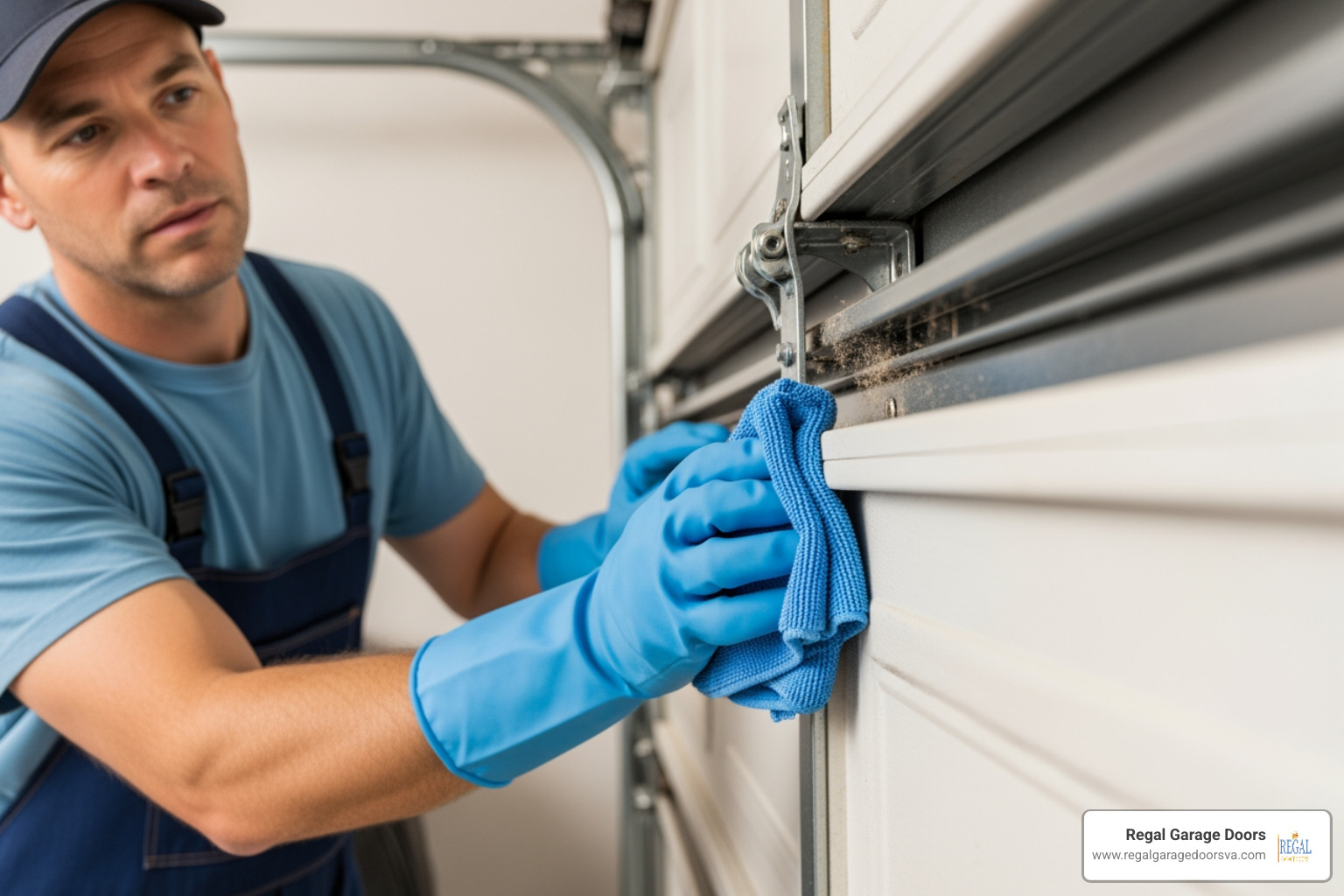
Before you start spraying, you need to prep the area. Think of it like painting a room—the prep work is 90% of the job.
If you notice your door is jerking or stopping halfway, lubrication might not be enough. Be sure to check for 6 Obvious Signs Your Garage Door Needs Repair in Staunton VA before proceeding.
Step 1: Cleaning Before Lubricating Garage Door Tracks
You cannot effectively lubricate a dirty surface. Use a vacuum cleaner with a hose attachment to suck out any large cobwebs, dead bugs, or chunks of debris from the tracks.
Next, take a microfiber rag and wipe the inside of the track. If there is stubborn, hardened grease from a previous (and incorrect) application, use an automotive brake cleaner. This will break down the old gunk without leaving a slippery residue that would cause the rollers to slide instead of roll.
Common Mistakes When Lubricating Garage Door Tracks
- Over-lubrication: More is not better. A thin, even coat is all you need. Excess grease will just drip onto your car or the garage floor.
- Lubricating the "Tread": Do not spray the part of the track where the roller wheel makes contact. The wheel needs friction to turn. If you lube that surface, the roller might slide, causing flat spots on the wheel.
- Using Household Oils: Vegetable oil or 3-in-one machine oil will go rancid or gum up, creating a sticky mess that stops the door from moving.
Beyond the Rails: Other Parts That Need Attention
While the tracks guide the door, the real heavy lifting is done by the springs, hinges, and rollers.
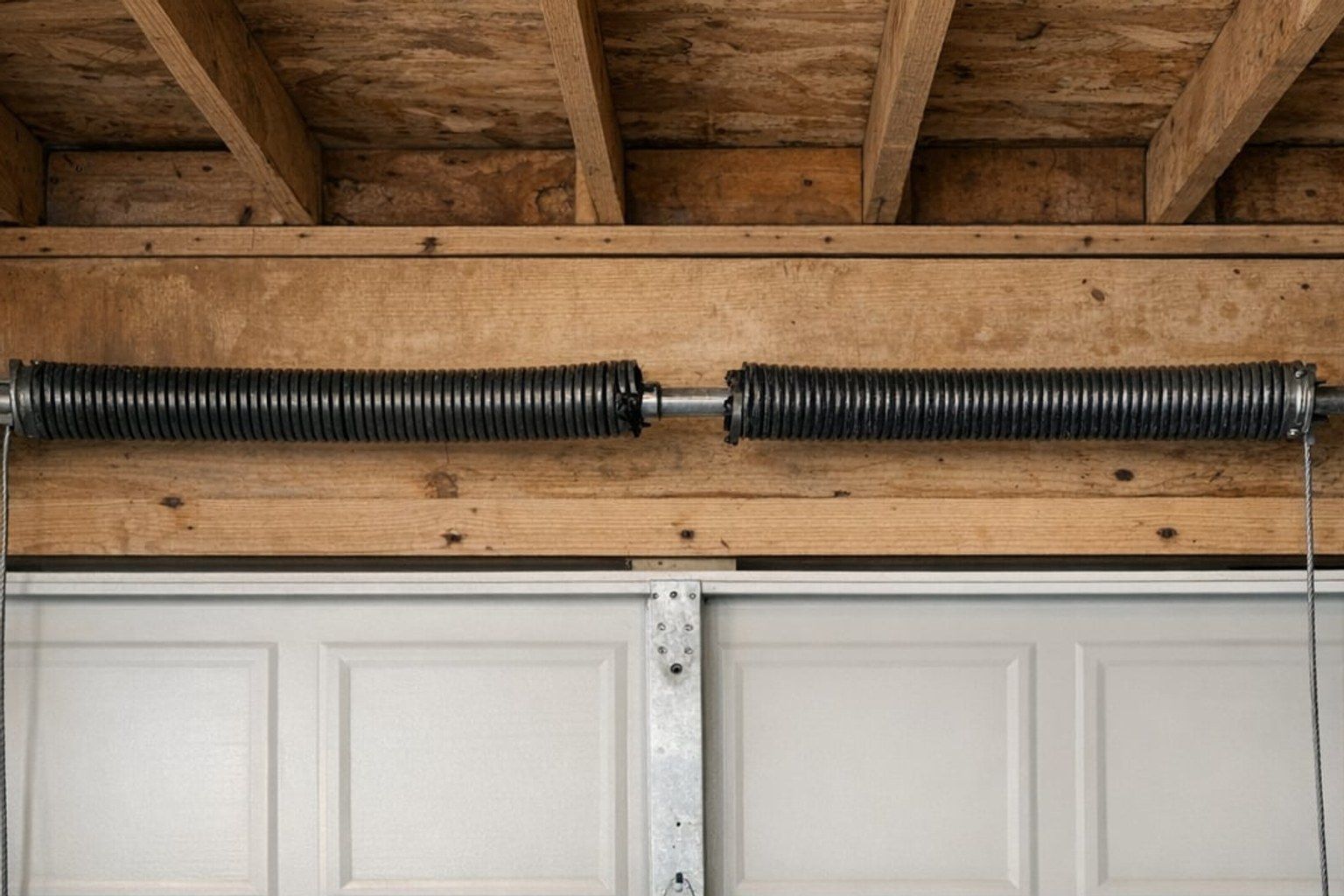
- Torsion Springs: These are the large springs located above the door. They are under incredible tension. You should spray them along their entire length. This doesn't just help them move; it prevents the metal from corroding and snapping.
- Hinges: Focus on the pivot points where the door panels bend.
- Bearing Plates: These are the circular plates at either end of the spring bar. A quick squirt of silicone here goes a long way.
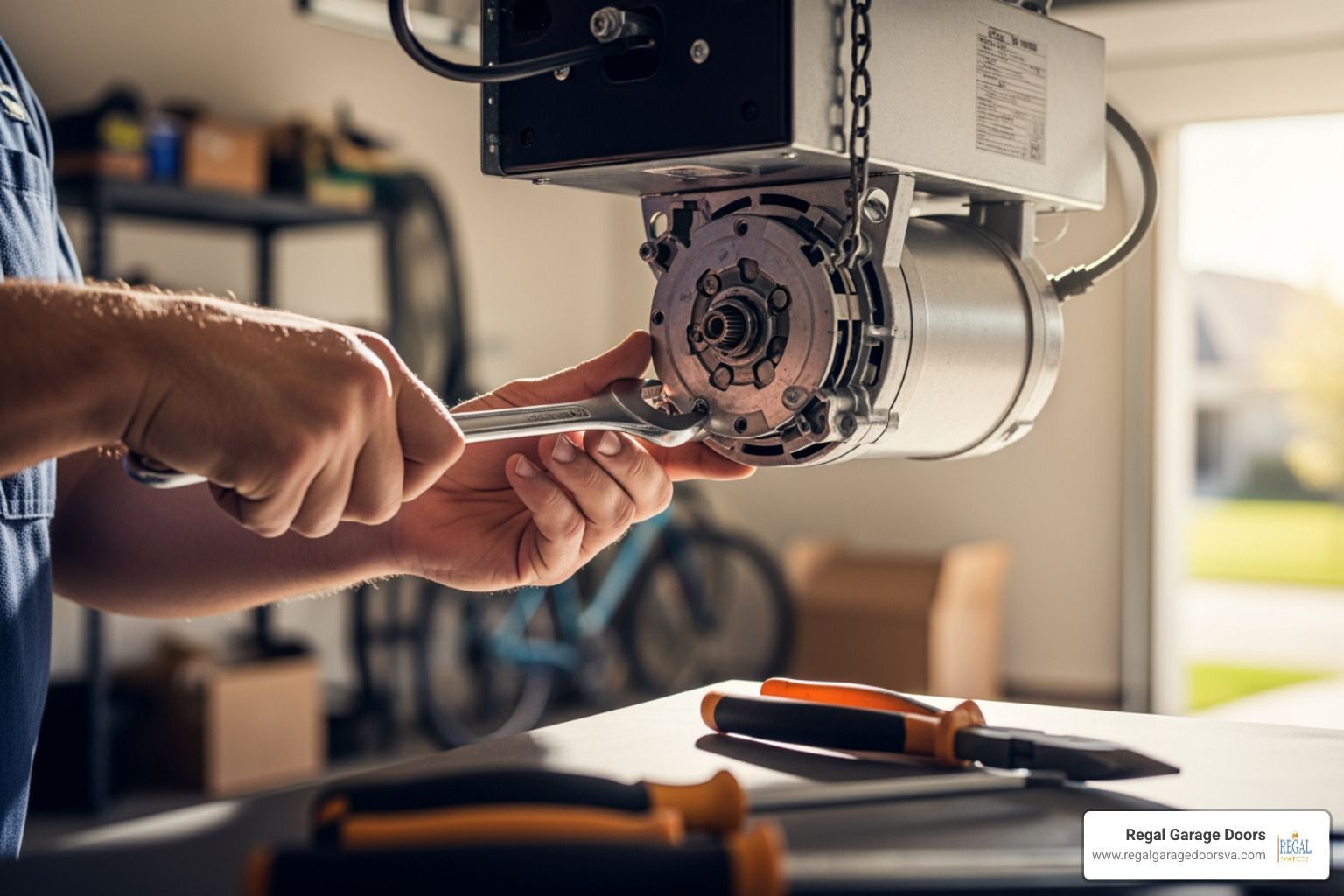
- Arm Bars and Rails: If you have a chain or screw drive, apply a light layer of white lithium grease to the top rail where the carriage travels.
For those considering an upgrade or if your current setup is beyond a simple lube job, check out the options for Garage Door Installation in Waynesboro VA.
Essential Components for Lubricating Garage Door Tracks and Rollers
The type of roller you have determines how you maintain it.
- Steel Rollers: These usually have exposed ball bearings. You need to get the lubricant inside those bearings.
- Nylon Rollers: These are quieter and often have sealed bearings. You don't need to lubricate the nylon wheel itself—only the stem and the bearings if they are accessible.
If your rollers are wobbly or the stems are bent, it’s often cheaper to replace them during a maintenance visit. You can learn more about How Much Does Garage Door Installation Cost in Staunton VA to get an idea of repair vs. replacement value.
Maintenance Frequency and Safety Tips
In the Shenandoah Valley, we deal with humid summers and freezing, salty winters. This "harsh climate" means we recommend a maintenance check every 6 months. If you live in a particularly dusty area or right on the coast, every 4 months is safer.
Safety First:
- Disconnect Power: Always unplug the garage door opener or flip the breaker before working. You don't want the door moving while your fingers are near the hinges.
- Use a Sturdy Ladder: Don't stand on a five-gallon bucket. Use a proper A-frame step ladder to reach the springs and top tracks.
- Eye Protection: When spraying overhead, it is very easy for a drop of silicone to land in your eye. Wear safety glasses.
For business owners in our service area, commercial doors have much higher duty cycles and require more frequent attention. We provide specialized Commercial Services for warehouses and storefronts in Harrisonburg and beyond.
Frequently Asked Questions about Garage Door Maintenance
Should you actually lubricate garage door tracks?
No. You should clean them thoroughly with a damp rag and vacuum, but do not apply grease or oil to the inside of the tracks. Lubricant in the tracks attracts dirt and can cause the rollers to slip rather than roll, which leads to premature wear.
Why is WD-40 not recommended for garage door components?
Regular WD-40 is a solvent and a cleaner, not a long-term lubricant. It evaporates quickly and can actually strip away the factory grease that is protecting your bearings. Always use a dedicated silicone spray or white lithium grease instead.
How often should I perform this maintenance?
For most homes in the Waynesboro and Staunton areas, twice a year is perfect—once in the spring and once in the fall before the first freeze.
Conclusion
Taking the time for lubricating garage door tracks —or more accurately, cleaning the tracks and lubricating the moving parts—is the best way to ensure a silent home and a long-lasting door. By spending a few minutes every six months, you protect the mechanical integrity of your system and avoid the stress of a door that won't open when you're already late for work.
At Regal Garage Doors, we pride ourselves on our local expertise and commitment to the community. Whether you are in Harrisonburg, Waynesboro, or Staunton, we offer code-compliant installs, transparent quotes, and the peace of mind that comes with professional service.
If your door is still making noise after a good cleaning, or if you’d rather have an expert handle the tune-up, contact us for our Residential Services today. We’ll make sure your garage door is safe, quiet, and ready for whatever the Virginia weather throws its way.