
Stop the Draft with Better Garage Door Weather Proofing
Is Your Garage Door Letting in Cold Air, Pests, or Moisture?
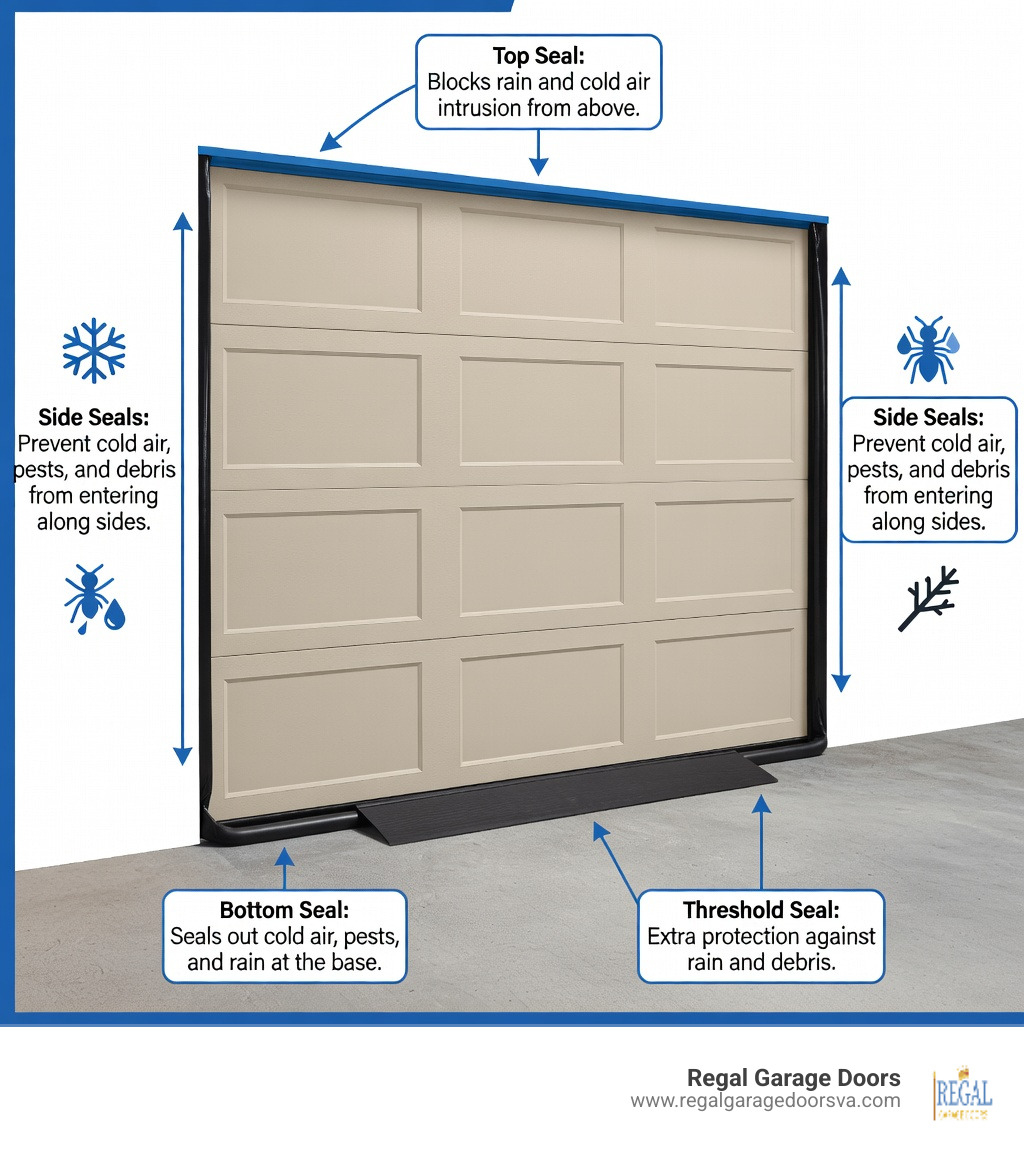
Garage door weather sealing is the system of rubber, vinyl, or foam seals installed along the bottom, sides, top, and sometimes between panels of your garage door to block air, water, pests, and debris from getting inside.
Quick answer - what you need to know:
- Bottom seal- runs along the door's lower edge; most critical seal; replace every 10 years
- Side and top seals- weatherstripping along the door frame that blocks wind and rain
- Threshold seal- mounts to the floor for an extra barrier at the base
- Panel seals- optional strips between door sections for maximum airtightness
If you can see daylight around your garage door from the inside, or feel a draft when it's closed, your seals need attention.
Most homeowners don't think about their garage door seals until something goes wrong - a mouse gets in, the garage drops to 20°F on a cold night, or the heating bill spikes with no clear reason.
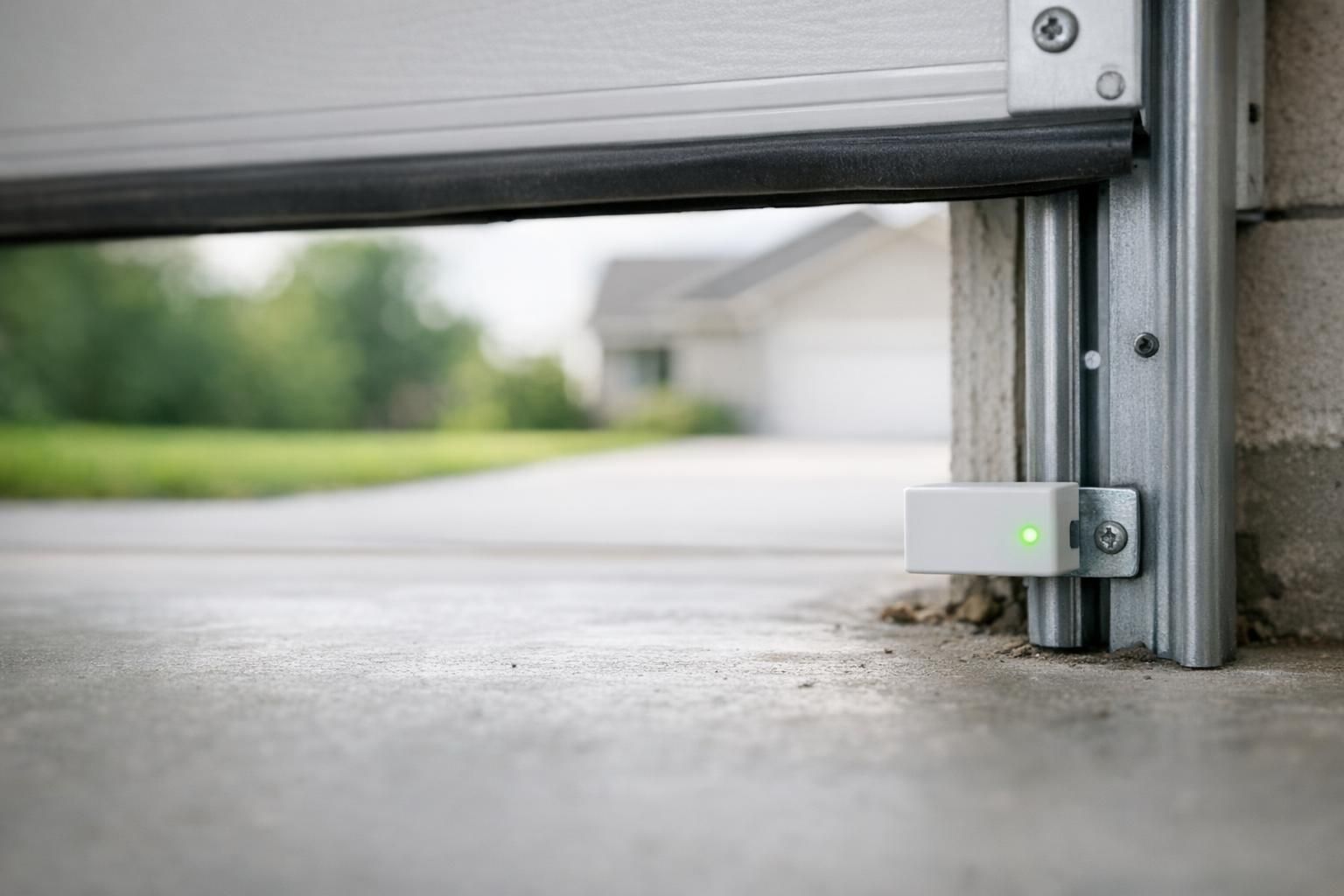
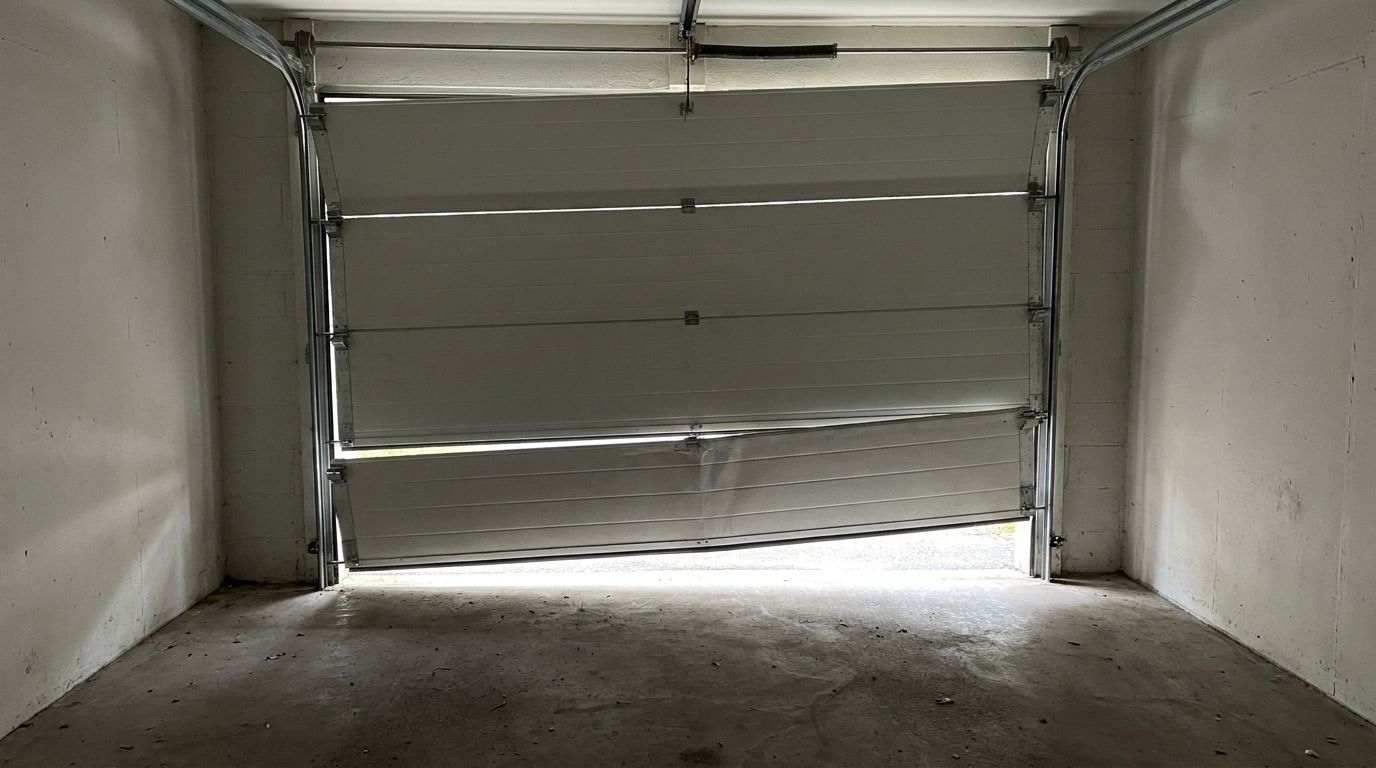
The gap between your garage door and its frame is often surprisingly large. On older or poorly adjusted doors, there can be enough light leaking through to read by in a dark garage. That same gap is an open invitation for cold air, rodents, insects, and moisture.
The good news? Weather sealing is one of the most cost-effective fixes you can make to your home. Many seals are DIY-friendly, parts are inexpensive, and the results are immediate. This guide walks you through everything - from identifying the problem to replacing seals yourself, and knowing when to call in a pro.
Why Garage Door Weather Sealing Matters
At Regal Garage Doors, we see it all the time in the Shenandoah Valley: a beautiful home with a garage that feels like an icebox because of a few worn-out strips of rubber. Proper garage door weather sealing isn't just about comfort; it's about protecting your largest investment.
When your seals fail, your garage becomes a "thermal bridge." This means the extreme temperatures from outside transfer directly into your home, especially if you have an attached garage. In regions like Harrisonburg and Waynesboro, where winter temperatures can plummet, having high-quality seals is the difference between a 45°F garage and a 20°F garage. Some advanced bottom weatherstripping is even rated to remain flexible and effective down to -62°F (-52°C), ensuring your door doesn't freeze to the pavement.
Beyond temperature, sealing plays a massive role in moisture protection. Rain and melting snow can seep under a degraded seal, leading to standing water. This moisture doesn't just damage your stored holiday decorations; it can cause metal door components to rust and wooden frames to rot. For homeowners looking to maximize their home’s defense, our Residential Services provide professional-grade solutions that go far beyond standard hardware store kits.
Protecting Your Home from Pests and Elements
If you can see daylight under your door, you’ve essentially rolled out a red carpet for local wildlife. A gap as small as a quarter-inch is enough for a mouse to squeeze through. Larger gaps caused by brittle or torn seals allow rats and insects to make your garage their new headquarters.
Visualizing Light Leaks and Gaps is the easiest way to diagnose a pest entry point. If you turn off the lights in your garage during the day and see slivers of sun peeking through the bottom or sides, you have a breach. These gaps also allow wind to whistle through, creating negative pressure that can actually pull the door away from the jambs, making the leaks even worse during a storm. By installing wind-repelling barriers and humidity-controlling seals, you create a fortress that keeps the "great outdoors" exactly where it belongs—outdoors.
Essential Types of Garage Door Seals
Not all seals are created equal. Depending on your door type and the specific gaps you’re facing, you may need a combination of different products to achieve a true airtight finish.
- Bottom Seals: These are the workhorses of the system. Usually made of rubber or vinyl, they slide into a track (the retainer) on the bottom of the door.
- Perimeter Seals (Top and Sides): These are nailed or screwed into the door jambs. They feature a flexible "fin" that rests against the outside of the door when it's closed.
- Threshold Gaskets: If your concrete floor is uneven or cracked, a standard bottom seal might not be enough. A threshold seal is glued directly to the garage floor to create a raised "hump" that the door meets.
- Panel Weatherstripping: Often overlooked, these are thin strips placed between the horizontal sections of the door. They prevent air from leaking through the hinges as the door ages and the panels slightly shift.
Choosing the Right Garage Door Weather Sealing Materials
When shopping for materials, you'll likely choose between EPDM rubber and PVC vinyl. While both have their place, understanding their durability is key to a long-lasting seal.
| Feature | EPDM Rubber | PVC Vinyl |
|---|---|---|
| Flexibility | Remains flexible in extreme cold | Can become brittle in sub-zero temps |
| Durability | High; resists cracking | Moderate; may crack over time |
| Cost | Slightly more expensive | Budget-friendly |
| Best For | Harsh winters (Staunton/Waynesboro) | Mild climates or indoor use |
For those in the Woodstock or New Market areas, we often recommend "Arctic Vinyl" or high-grade silicone lubricants to keep these materials from sticking to the door or frame. You can find a deeper dive into these material specs in this Garage Door Weather Stripping 101 guide, which covers everything from U-shape gaskets to bulb seals.
Threshold Seals and Advanced Products
Sometimes standard weatherstripping isn't enough for a specialized workspace or a commercial bay. In these cases, we look at advanced solutions like Green Hinges—a spring-loaded hinge system that automatically pushes the door panels tight against the weatherstripping for a seamless fit.
For high-traffic areas or commercial buildings in Charlottesville, air curtains are another option. These devices blow a high-velocity stream of air across the opening, creating an invisible barrier that prevents temperature loss even when the door is open. If you are managing a warehouse or shop, our Commercial Services can help you integrate these professional-grade barriers to keep your energy costs in check.
How to Identify and Replace Your Garage Door Weather Sealing
How do you know it’s time for a change? Most garage door weather seals last around 10 years before they require replacement. However, if your garage faces the sun or experiences heavy salt exposure in the winter, that lifespan could be shorter.
Signs your seals are failing:
- The Daylight Test: As mentioned, if you see light, you have a leak.
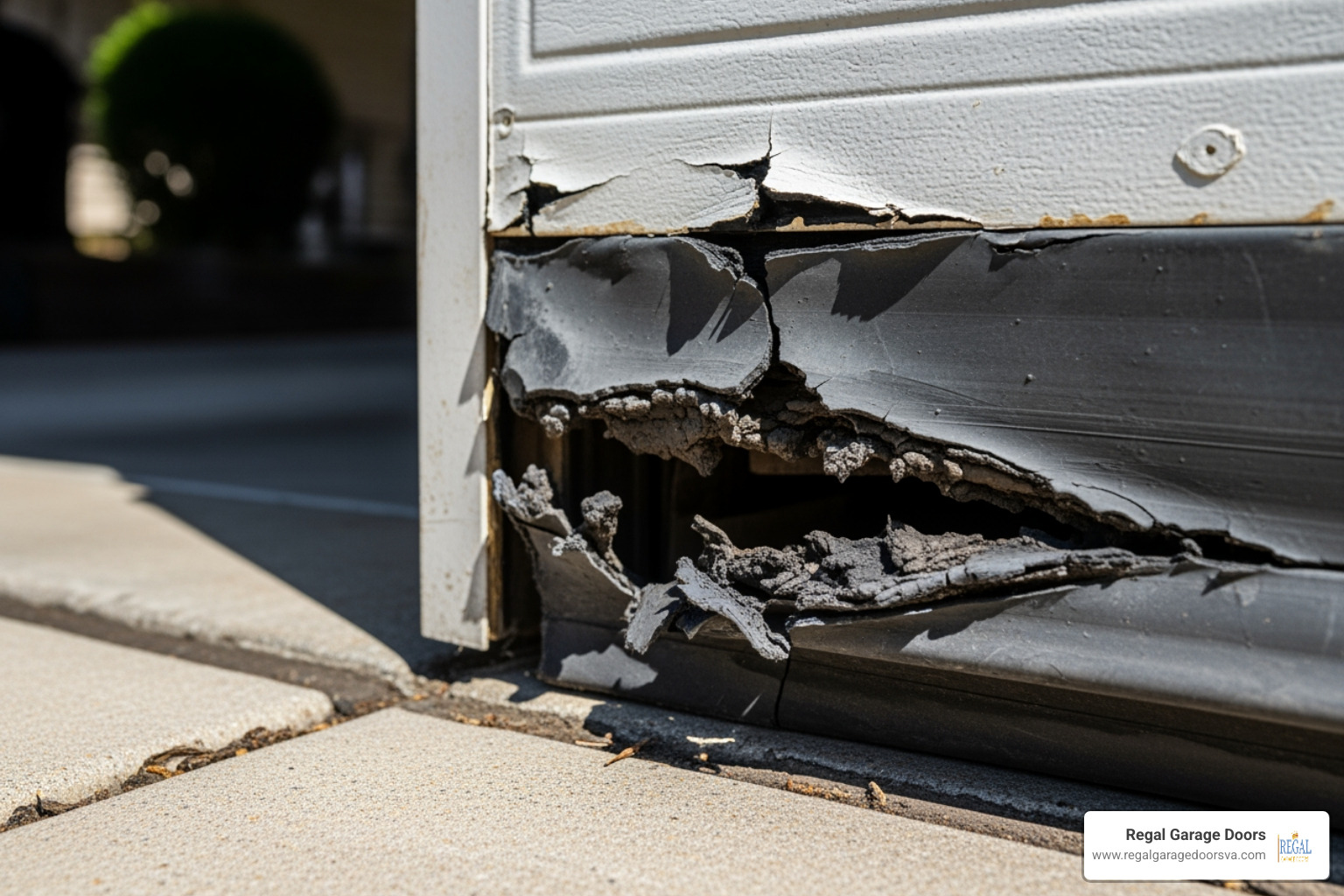
- Brittle Texture: Touch the rubber. If it feels hard, cracks when bent, or leaves black residue on your fingers, the material has broken down.
- Visible Gaps: Look for "pinched" corners or sections where the seal has shrunk away from the edges.
- Uninvited Guests: Finding spider webs or mouse droppings near the door corners is a classic sign of a seal breach.
Step-by-Step Bottom Seal Replacement
Replacing a bottom seal is a satisfying DIY project that usually takes about an hour. You'll need a utility knife, a tape measure, a screwdriver, and perhaps a bit of dish soap or silicone spray to act as a lubricant.
- Raise the door: Open the door to a comfortable working height (usually chest level) and secure it so it cannot move.
- Remove the old seal: Most seals slide out of a metal track. You may need to unscrew the "end caps" or remove a screw that holds the seal in place. If it's stuck, use your utility knife to cut it into smaller sections.
- Clean the track: Use a stiff brush and soapy water to clear out dirt, cobwebs, and debris from the aluminum retainer. A clean track makes the new installation much easier!
- Lubricate and slide: Spray the track with silicone lubricant. Feed the new seal into the track. It’s often easier to have a second person "pull" the seal through while you "feed" it from the other side.
- Trim and secure: Leave an extra inch on each side, tuck the excess back into the track to account for future shrinkage, and secure the ends with screws.
If you find that your door tracks are bent or the bottom retainer is rusted through, the project might become more complex. Curious about professional costs? Check out our guide on How Much Does Garage Door Installation Cost in Staunton VA for a breakdown of labor and parts.
Maintaining Your Garage Door Weather Sealing
You don't have to wait for the seal to fail to take action. A little maintenance goes a long way. We recommend a seasonal inspection—once in the spring and once in the fall.
Clean your seals with a mild detergent and warm water to remove road salt and grime that can eat away at the rubber. After cleaning, apply a thin coat of silicone-based lubricant (avoid petroleum-based products as they can degrade the rubber). This keeps the seals supple and prevents them from freezing to the floor during a Shenandoah Valley cold snap. Replacing weather stripping every 5-10 years as a preventative measure is much cheaper than dealing with a frozen pipe in the garage wall!
Professional Adjustments and Safety Precautions
While swapping out a piece of rubber is generally safe, adjusting the door itself is where things get tricky. Your garage door is under immense tension.
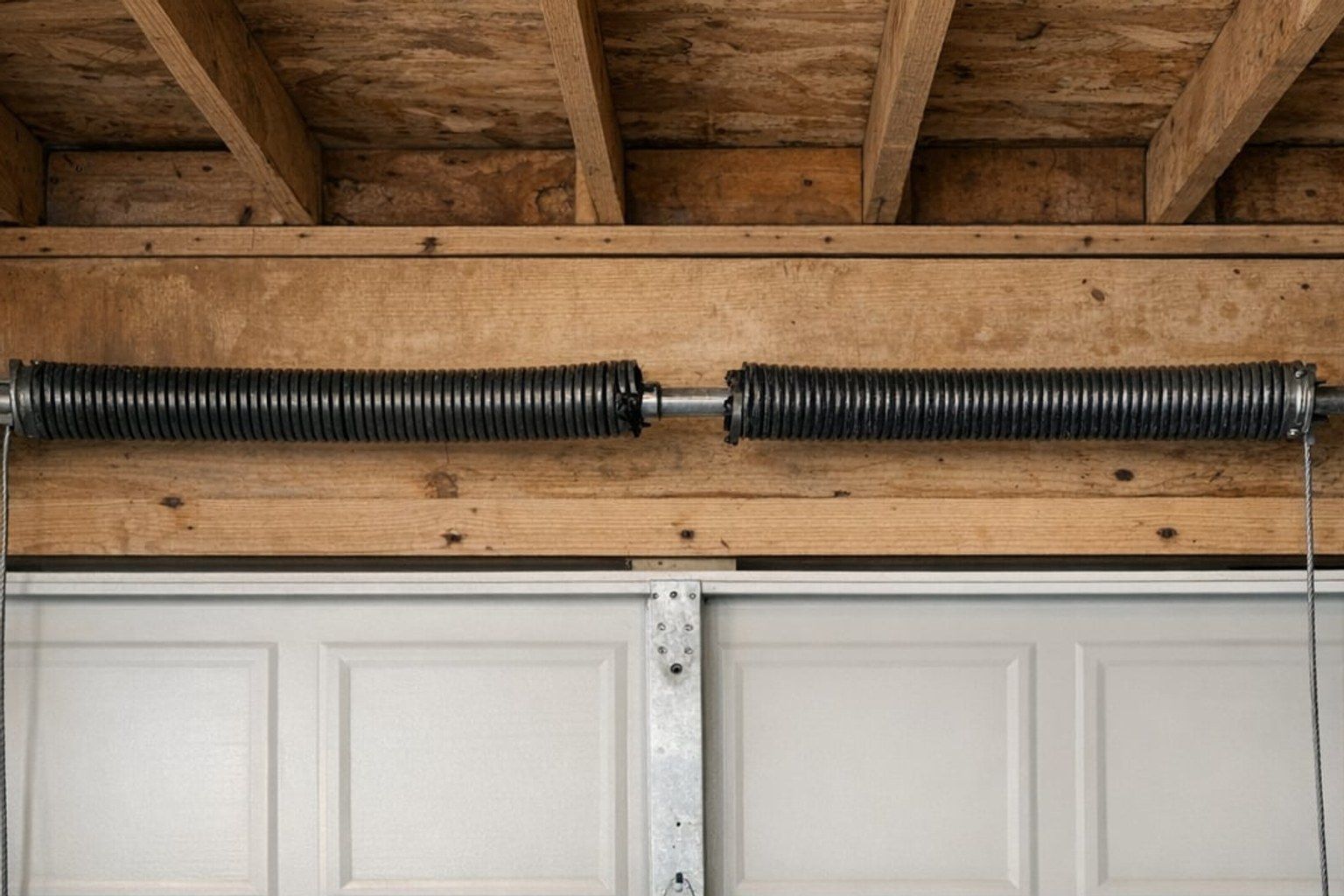
WARNING: Never attempt to adjust or loosen the bottom brackets or the cables connected to the torsion springs. These springs store enough energy to cause severe injury or even be fatal if they snap or are released improperly.
If your seal isn't touching the floor because the door is crooked, the issue likely lies with the track alignment or the spring tension. We can adjust the "down-stop" on your opener to ensure the door closes with just enough pressure to flatten the seal without straining the motor. We also ensure the side weatherstripping is installed in a "J-shape" against the door. This means the flexible fin should curve slightly against the door face, creating a tight seal without causing the door to bind or rub against the wooden frame.
When to Call a Professional
Sometimes, a new seal is just a band-aid for a larger structural problem. You should call us for a professional evaluation if:
- The door is bowing: If the top or bottom of the door is curving away from the house, no amount of weatherstripping will fix the gap.
- The tracks need relocation: If the tracks are installed too far from the jambs, the seals won't reach the door.
- Spring issues: If the door feels heavy or won't stay in place when manually opened halfway, your springs need professional balancing.
For residents in Augusta County or Fishersville, our team provides expert Garage Door Installation in Waynesboro VA to ensure your new system is perfectly aligned and sealed from day one.
Frequently Asked Questions about Garage Sealing
How do I know if my garage door seals need replacing?
The most obvious sign is visible daylight around the edges when the door is closed. You might also notice water pooling inside the garage after a rainstorm, or find that the corners of the seals have become hard, brittle, or "crinkled." If you feel a noticeable draft or see an influx of spiders and crickets, it's time for a refresh.
Can I install weather sealing in sub-zero temperatures?
It’s not ideal. Most adhesives used for threshold seals will fail to cure in freezing temperatures, and vinyl weatherstripping becomes very stiff and difficult to manipulate. If you have an emergency leak during a cold snap in Weyers Cave or Ivy, a temporary solution is to disengage the opener and manually "settle" the door, or even tuck old blankets into the gaps until the weather warms up enough for a permanent fix.
Will weather sealing my garage door lower my energy bills?
Yes! While a garage door itself has an R-value (insulation rating), that rating is useless if air is rushing in around the edges. By eliminating drafts, you reduce the "thermal bridge" effect. This lowers the HVAC load on the rooms adjacent to or above the garage, leading to measurable savings on your monthly energy bill.
Conclusion
A well-sealed garage is the first line of defense for your home's comfort and efficiency. Whether you're dealing with a drafty door in Charlottesville or looking to pest-proof your garage in Verona, garage door weather sealing is an investment that pays for itself in energy savings and peace of mind.
At Regal Garage Doors, we pride ourselves on our local expertise and commitment to the Shenandoah Valley community. From Waynesboro to New Market, we provide code-compliant installations, transparent quotes, and the professional touch needed to keep your garage warm and dry.
Ready to stop the draft? Explore our Residential Services or contact us today for a professional seal inspection and upgrade. Let us help you keep the elements outside where they belong!