
A Homeowner's Guide to Garage Door Maintenance Timing
Why Following a Garage Door Maintenance Checklist Protects Your Home and Family
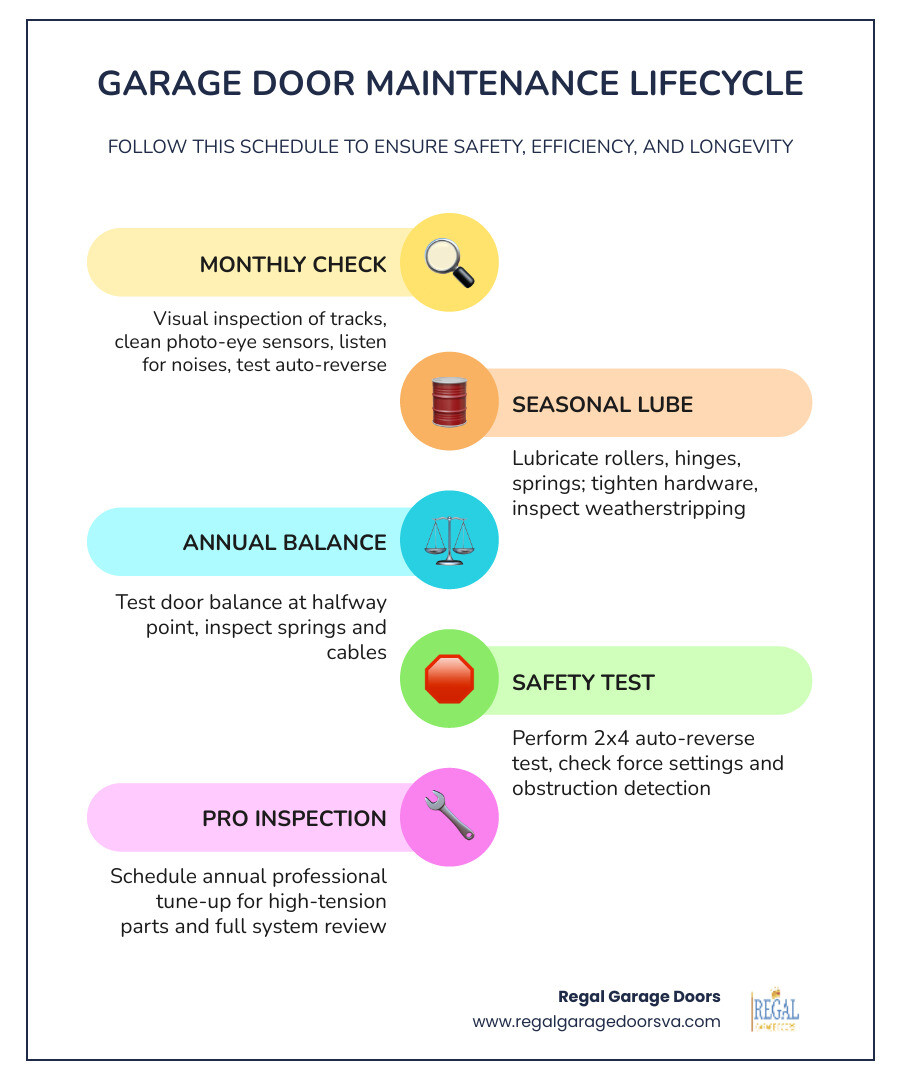
A garage door maintenance checklist is the simplest way to keep your door running safely, quietly, and efficiently all year long. Here's a quick overview of what a solid maintenance schedule looks like:
Garage Door Maintenance Checklist at a Glance:
| Frequency | Key Tasks |
|---|---|
| Monthly | Visual inspection, clean photo-eye sensors, listen for unusual noises, test auto-reverse |
| Seasonally | Tighten hardware, inspect weatherstripping, lubricate moving parts, check insulation |
| Annually | Test door balance, inspect springs and cables, check opener age, professional inspection |
Your garage door is one of the largest moving parts in your home. It opens and closes thousands of times a year, which means wear adds up fast — often without you noticing until something goes wrong.
That jam, that groan, that stubborn pause before it finally moves — these are all signs that routine care has slipped.
And the stakes are real. More than 35,000 people are treated for garage door-related injuries every year. A well-maintained system, on the other hand, can last 15 to 30 years depending on the material and how it's used.
The good news? Most of what keeps a garage door healthy takes less than an hour a month — and the right schedule makes it easy.
The Ultimate Garage Door Maintenance Checklist for Homeowners
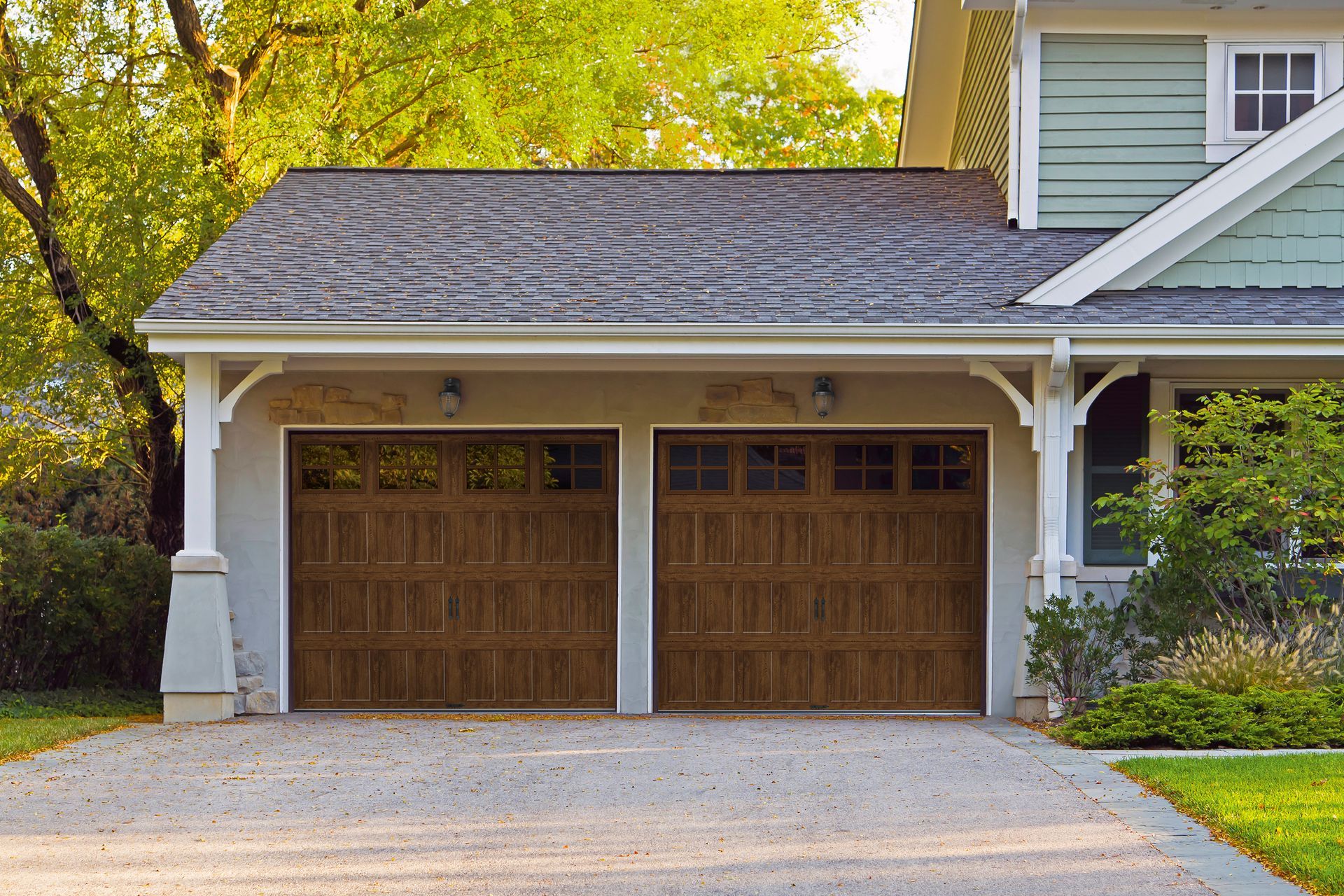
Maintaining your garage door isn’t just about making sure it opens when you hit the button; it’s about home safety and protecting your investment. In the Shenandoah Valley, our doors face everything from humid summers to freezing winters, and that constant expansion and contraction can take a toll on mechanical parts.
The primary reason to stick to a garage door maintenance checklist is injury prevention. more than 35,000 people each year are treated for injuries related to garage doors. Many of these accidents occur because safety sensors were misaligned, or a high-tension spring snapped unexpectedly. By performing regular checks, we can catch these hazards before they become emergencies.
Beyond safety, regular upkeep significantly extends the lifespan of your door system. A garage door that is strained by dry rollers or an unbalanced spring forces the opener motor to work twice as hard, leading to premature failure. Furthermore, a well-maintained door improves energy efficiency. In places like Harrisonburg and Staunton, a door that seals properly keeps the heat in during the winter and the humidity out during the summer, lowering your utility bills.
If you aren't sure if your door is currently in good shape, look for 6 Obvious Signs Your Garage Door Needs Repair in Staunton VA, such as jerky movements or unusual vibrations.
DIY Maintenance Costs vs. Professional Repair Savings
While DIY maintenance requires a small investment in tools and supplies, it pales in comparison to the cost of emergency repairs.
| Item | DIY Maintenance Cost | Potential Professional Repair Savings |
|---|---|---|
| Lubricant (Silicone/Lithium) | $7 – $15 | Prevents $200+ roller/track replacement |
| Weatherstripping | $20 – $40 | Saves $170 – $490 in pro replacement costs |
| Replacement Rollers (Set) | $50 – $70 | Prevents opener motor burnout ($400+) |
| Basic Tool Set | $50 – $100 | Avoids service call fees for simple tightening |
Essential Tasks for Your Monthly Garage Door Maintenance Checklist
We recommend setting a recurring reminder on your phone for the first of every month. This "mini-checkup" should only take about 15 minutes but provides the front line of defense for your home.
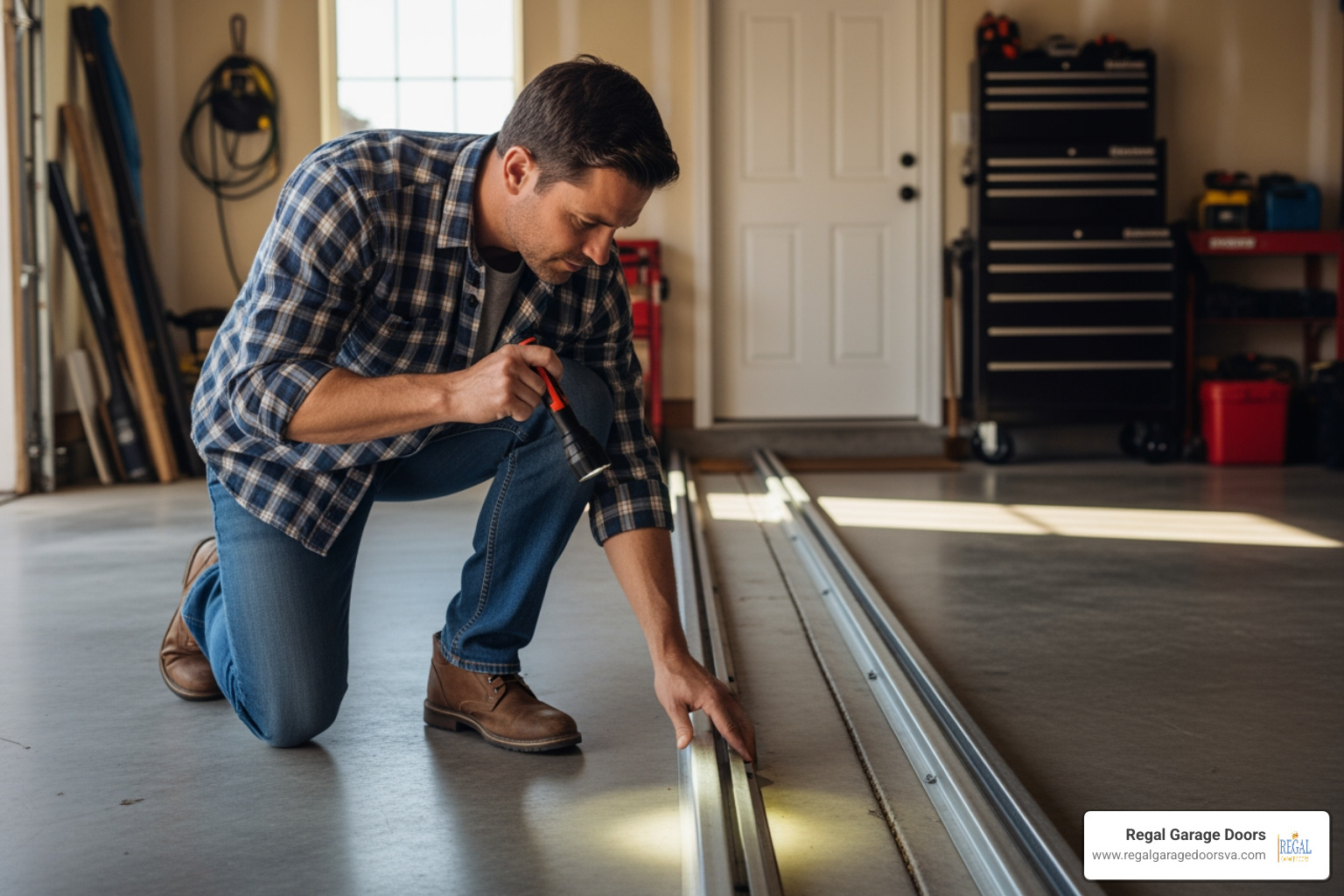
- Visual Inspection: Stand inside your garage with the door closed. Look at the springs, cables, rollers, and pulleys. Do you see any fraying in the cables? Are the rollers wobbly? If something looks "off," it probably is.
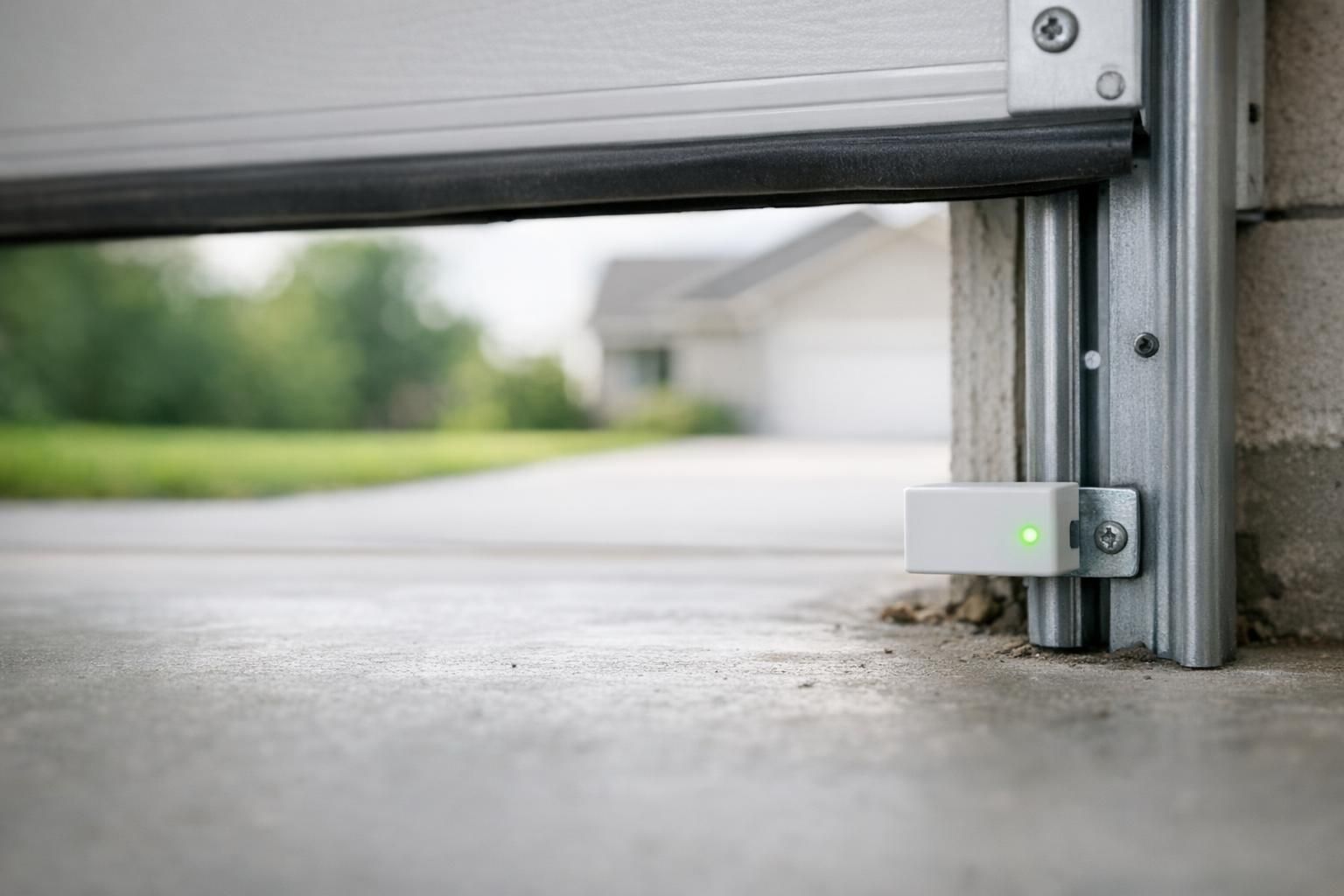
- Sensor Alignment and Cleaning: The photo-eye sensors (the small "cameras" at the bottom of your tracks) are vital for safety. Wipe the lenses with a soft, dry cloth. Ensure they are pointing directly at each other; if the small LED light on the sensor is flickering, they are out of alignment.
- Debris Removal: Check the tracks for any dirt, pebbles, or dried grease. Use a clean rag to wipe the inside of the tracks. Never grease the inside of the tracks themselves, as this actually attracts more dirt and causes the rollers to slide rather than roll.
- Listen for Unusual Noises: Operate the door and listen. A healthy door should hum. If you hear grinding, squeaking, or a loud "bang," those are cries for help. If you notice these sounds frequently, it may be time to look into our Residential Services for a professional tune-up.
Seasonal Adjustments to Your Garage Door Maintenance Checklist
In Virginia, our seasons are distinct. Preparing your door for the transition between the heat of summer and the chill of winter is crucial for maintaining the "seal" of your home.
- Hardware Tightening: Because a garage door moves and vibrates constantly, nuts and bolts naturally loosen over time. Use a socket wrench to check all the mounting brackets and the bolts that hold the hinges to the door panels.
- Weatherstripping Inspection: Check the rubber seal at the bottom of the door. If it’s cracked, brittle, or flat, it’s not doing its job. Replacing this is a simple DIY task that keeps pests and drafts out of your garage.
- Virginia Climate Prep: Before the first frost in Fishersville or Waynesboro, ensure your door is properly lubricated with a cold-weather-rated lubricant. In the summer, check for any "blistering" or fading on the door panels that might indicate the need for a fresh coat of paint or sealant to protect the material from humidity.
- Insulation Checks: If you have an insulated door, check the panels for any gaps or damage. For businesses in the area, our Commercial Services can help ensure your overhead doors are meeting energy-efficiency standards for large spaces.
Critical Safety Tests and Component Lubrication
Safety is the most important part of any garage door maintenance checklist. Because the door is heavy and under tension, you must ensure the electronic and mechanical safety "brakes" are functioning perfectly.
Testing the Balance and Auto-Reverse Features
A garage door that isn't balanced is a ticking time bomb for your opener. To test the balance:
- Close the door and pull the manual release cord(the red handle).
- Lift the door manually halfway up.
- Let go. A perfectly balanced door should stay in place or move only slightly. If it slams shut or flies upward, the torsion springs are out of adjustment. Do not attempt to fix these yourself.
Next, test the auto-reverse mechanism. This is the feature that prevents the door from crushing an object (or a person) in its path.
- The 2x4 Test: Place a piece of wood or a brick on the floor in the center of the door's path. Close the door. When it hits the object, it should immediately reverse and go back up.
- The Photo-Eye Test: While the door is closing, wave a broomstick (not your leg!) through the path of the sensors. The door should stop and reverse instantly.
Finally, check your smart opener firmware if you use a Wi-Fi-connected system. Manufacturers often release security patches and performance updates that keep your system running smoothly. Also, remember to check your battery backup. If the power goes out in Charlottesville or Crozet, you want to make sure your door still opens!
Proper Lubrication Techniques for Moving Parts
Lubrication is the "fountain of youth" for garage doors. However, using the wrong product can actually do more harm than good.
- What to use: Use a high-quality silicone-based spray or white lithium grease. These stay slick in the cold and won't attract dust like heavier oils.
- What to avoid: Never use WD-40 on your garage door parts. While it’s great for loosening a rusty bolt, it is a degreaser, not a lubricant. It will actually strip away the existing grease and leave your parts vulnerable to friction.
- Where to apply:
- Rollers: Lubricate the bearings inside the rollers (unless they are nylon rollers, which don't require it).
- Hinges: Apply a small amount to the pivot points.
- Springs: Lightly coat the entire torsion spring to prevent rust and "spring "chatter."
- Tracks: Do NOT lubricate the tracks. Just keep them clean.
Understanding How Garage Door Opener Repairs are Handled in Staunton VA can give you more insight into why these components are so sensitive to friction and wear.
When to Call a Professional for Advanced Repairs
While we encourage homeowners to handle basic cleaning and lubrication, some tasks are simply too dangerous for a DIY approach.
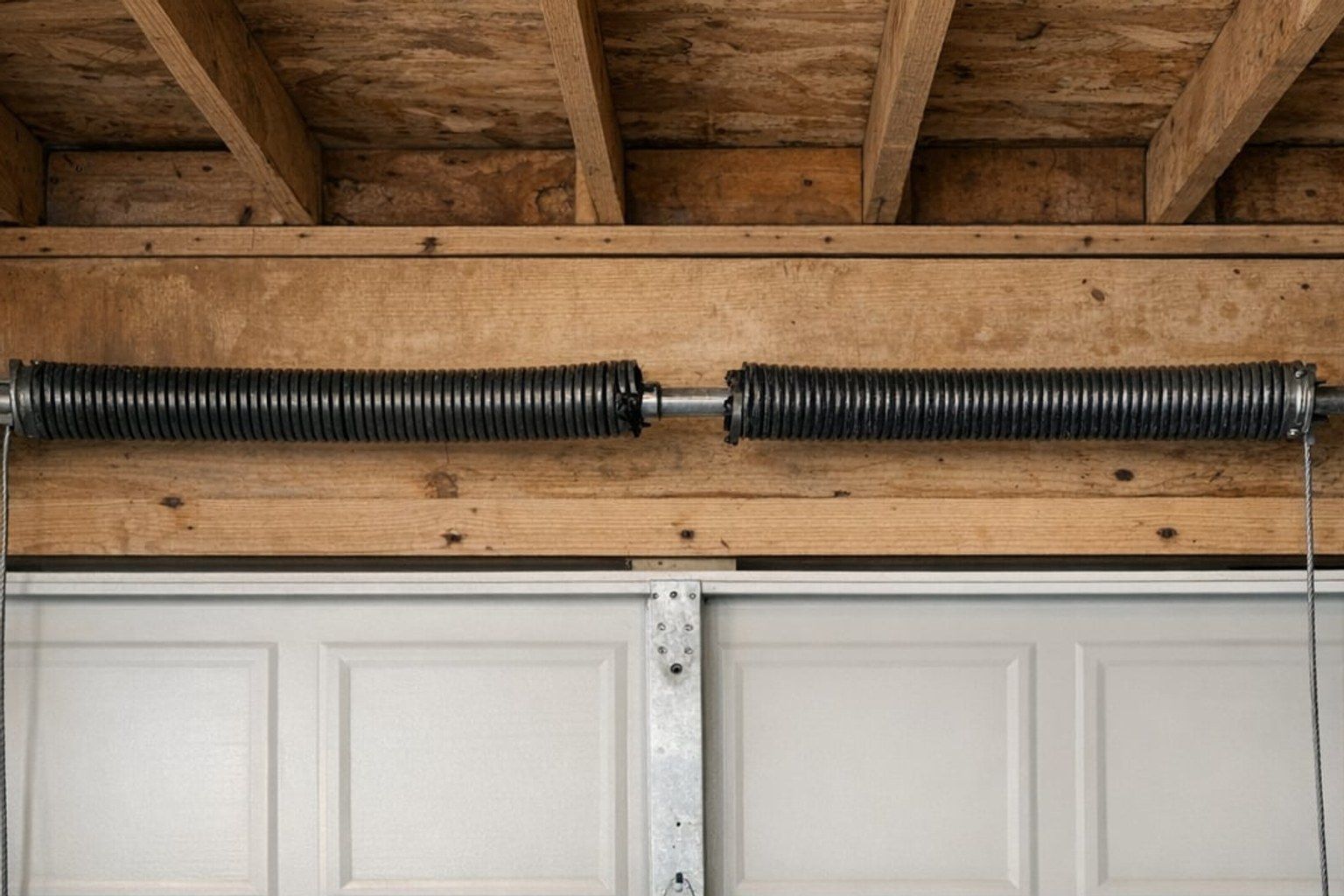
- Broken Springs: If you hear a loud "pop" like a gunshot from your garage, it’s likely a broken spring. These are under extreme tension and can cause severe injury if handled without the proper winding bars and expertise.
- Frayed Cables: Look at the bottom of the door where the cables attach. If you see even one "hair" of the cable sticking out, it is at risk of snapping. These cables lift the entire weight of the door and should only be replaced by a pro.
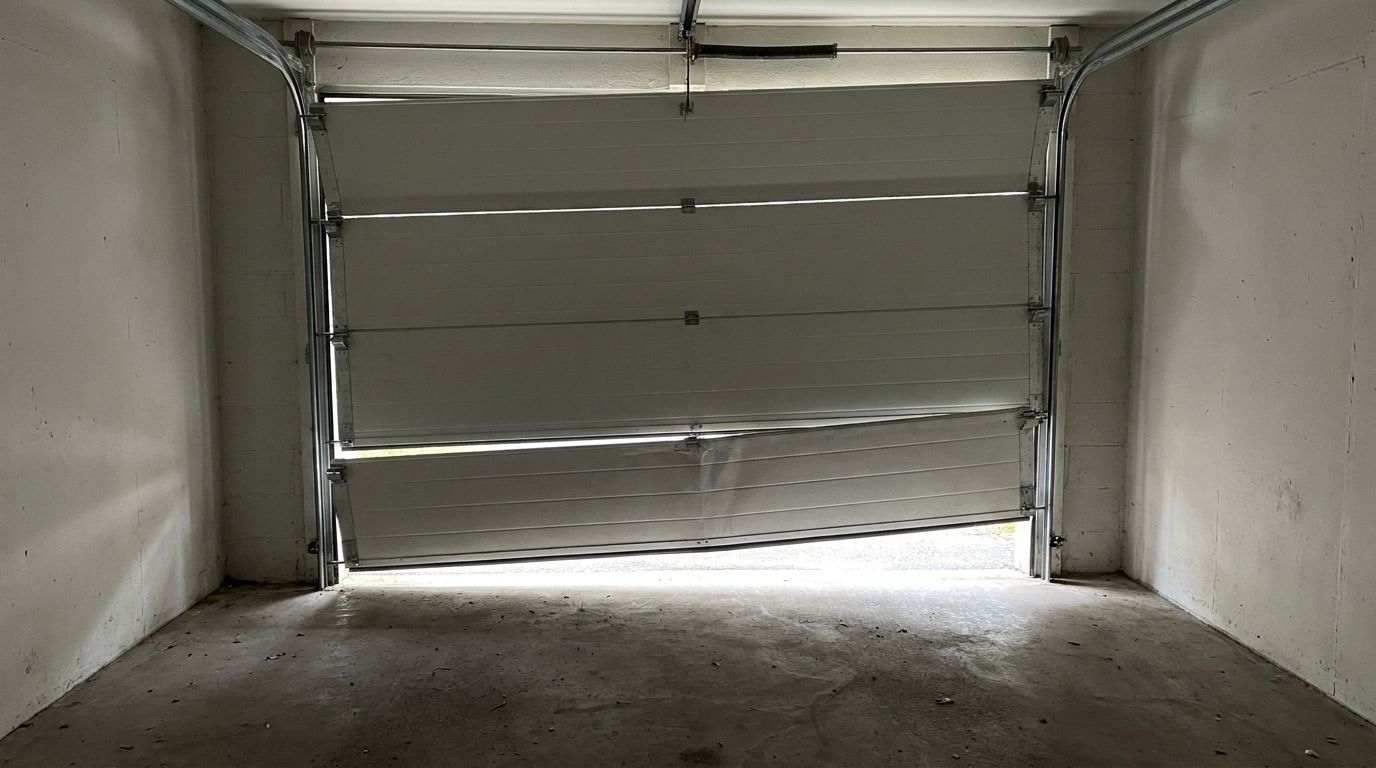
- Track Realignment: If your door is hanging crooked or the tracks have been hit by a car, do not try to hammer them back into place. Misaligned tracks can cause the door to fall out of the overhead assembly.
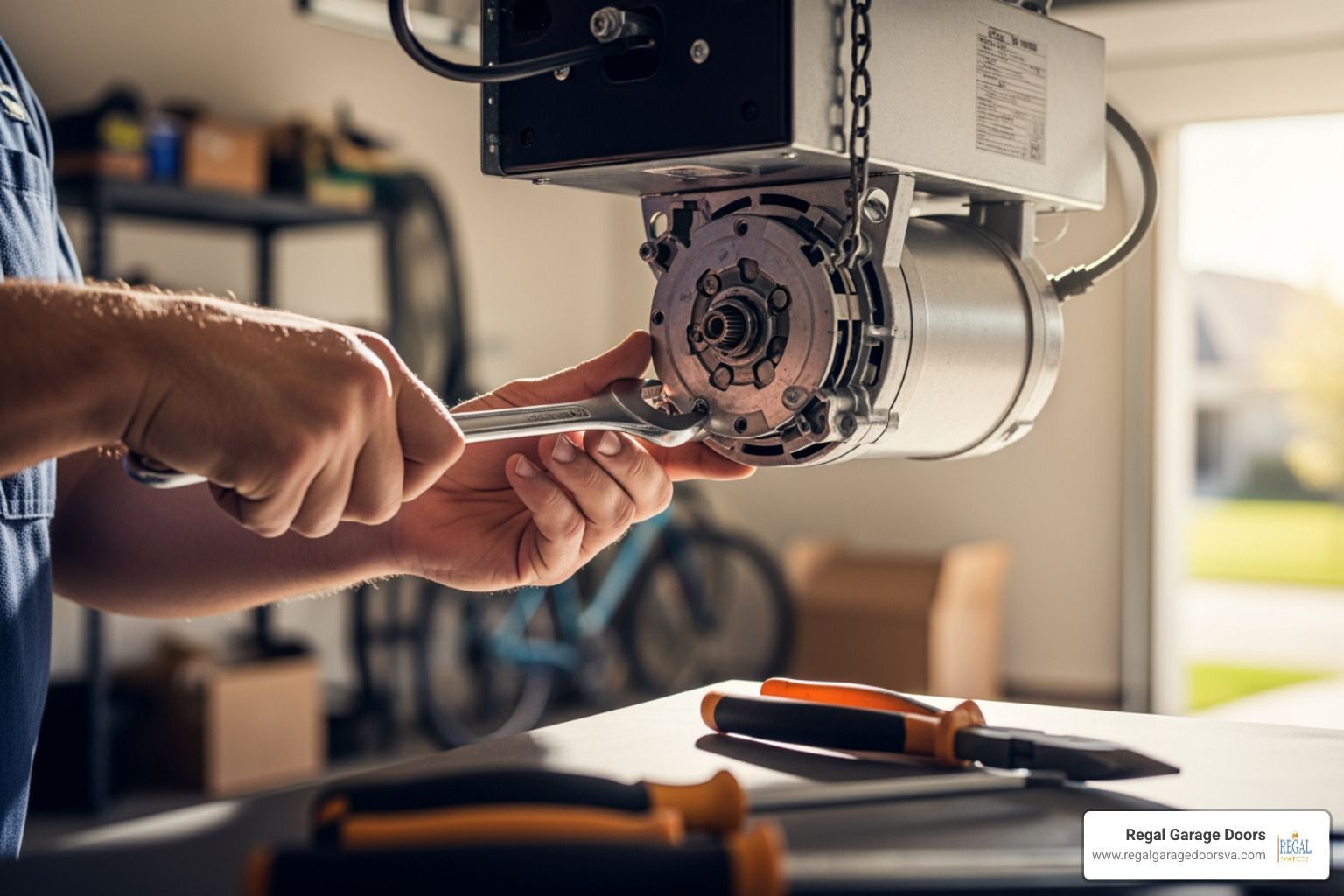
- Motor Failure: If your opener is humming but the door isn't moving, or if you smell burning plastic, the internal gears or circuit board may have failed.
Hiring a professional ensures your warranty protection stays intact. Many manufacturers void their warranties if a homeowner attempts to repair high-tension components themselves. A professional inspection once a year is the best way to catch these "hidden" hazards before they lead to a total system failure.
Frequently Asked Questions about Garage Door Upkeep
What is the best lubricant to use on my garage door?
The best choice is a dedicated garage door lubricant, which is usually a silicone spray or white lithium grease. These products are designed for metal-to-metal contact and are resistant to dust and grime. We recommend lubricating your moving parts every six months—once in the spring and once in the fall. This keeps the friction low and the noise levels down.
How often should I replace my garage door opener?
Most modern openers follow the "ten-year rule." If your opener is more than 10-15 years old, it likely lacks modern safety features like encrypted Wi-Fi connectivity or advanced force-sensing technology. If you notice increased noise levels, frequent vibrating, or if the door struggles to open even after a balance test, it’s time to consider an upgrade. Newer models also come with battery backups, which are now legally required in many jurisdictions for safety during power outages.
Can I safely repair a broken garage door spring myself?
No. This is the most dangerous repair on a garage door. Torsion springs store enough energy to cause life-altering injuries or even death if they snap or if the winding cone slips during adjustment. Specialized tools, like tempered steel winding bars, are required to handle them safely. While you can visually inspect them for rust, always call a professional for any adjustments or replacements.
Conclusion
A little bit of attention goes a long way. By following this garage door maintenance checklist, you can ensure that your home remains secure and your family stays safe. From the monthly visual checks to the seasonal lubrication, these small steps prevent the "big" headaches that happen at the worst possible times—like when you're trying to leave for work on a snowy Monday morning in Verona or Weyers Cave.
At Regal Garage Doors, we pride ourselves on our local expertise and commitment to the Shenandoah Valley. Whether you need code-compliant installs in Harrisonburg, transparent quotes for repairs in Waynesboro, or a comprehensive maintenance plan in Staunton, we are here to help. Our team provides the professional touch needed for those high-tension parts that keep your door moving safely.
Don't wait for a breakdown to happen. Schedule your professional residential services today and keep your garage door in peak condition for years to come.