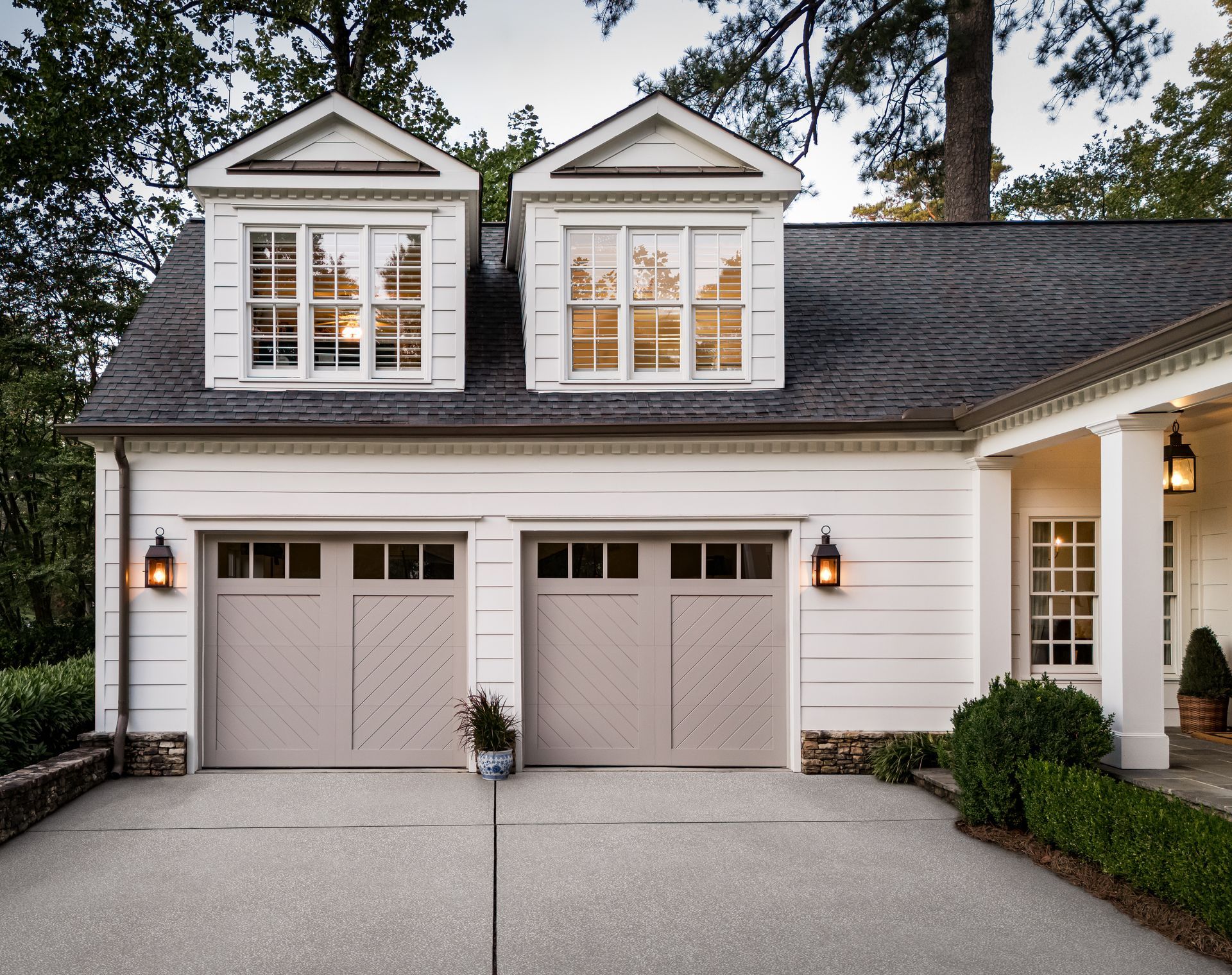

How to Open a Garage Door That's Frozen Shut
When Your Garage Door Won't Budge in Winter
A frozen garage door is one of the most frustrating winter problems a homeowner can face — and it's more common than you might think. With roughly 63% of U.S. housing units having a garage or carport, millions of households deal with this every winter.
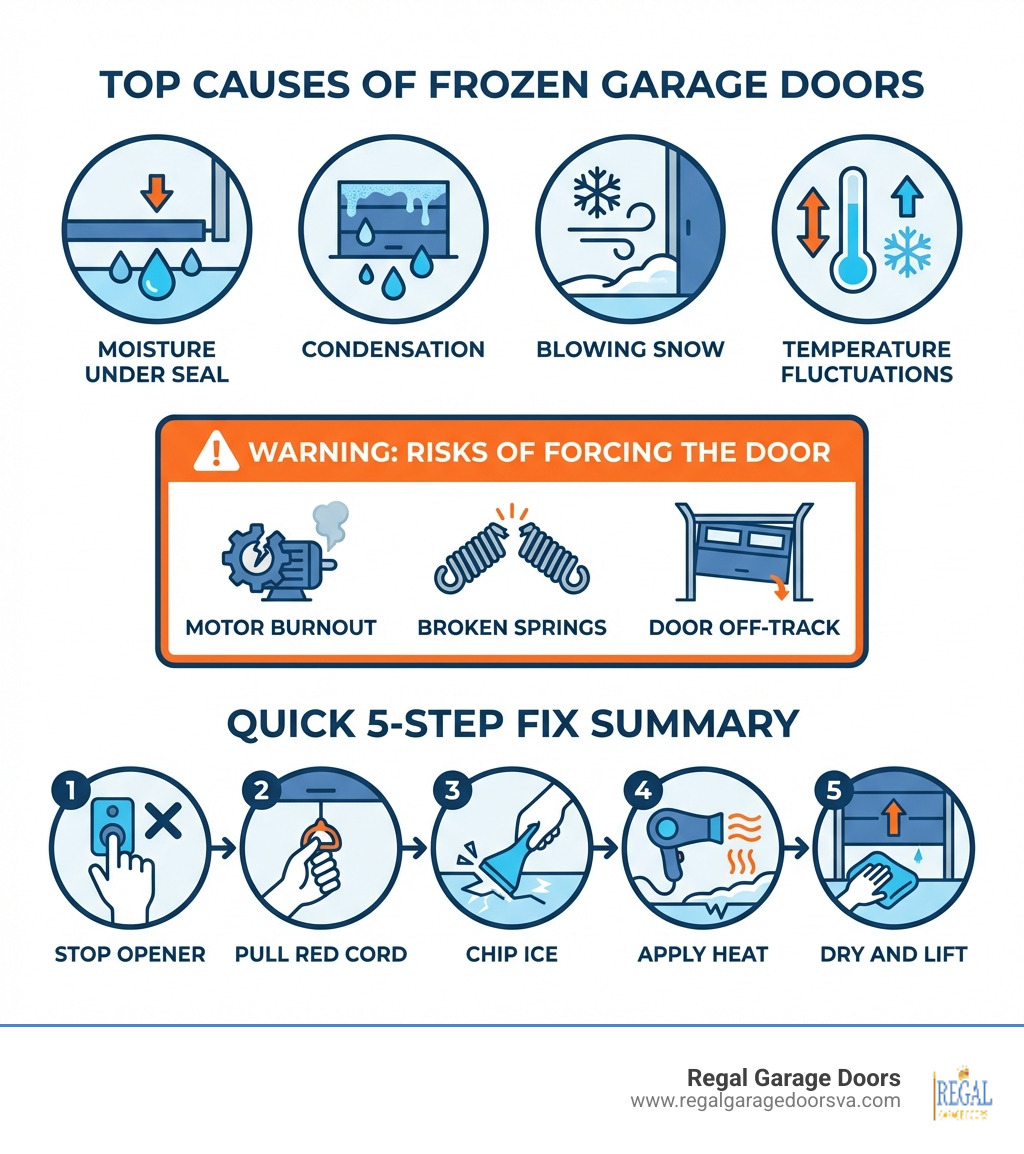
Here's how to open a garage door safely, in short:
- Stop pressing the opener button — forcing it can burn out the motor
- Pull the red emergency release cord to disconnect the opener
- Chip away visible ice at the base with a plastic scraper
- Apply gentle heat using a hair dryer or space heater to melt the seal
- Dry the threshold immediately to prevent refreezing
- Lift the door manually once the ice is loose
The root cause is almost always simple: water seeps under the rubber bottom seal, then freezes overnight, bonding the door to the ground. Sometimes blowing snow, condensation from inside the garage, or even car exhaust that melts and refreezes can cause the same problem.
The biggest mistake most people make? Repeatedly hitting the opener button or yanking the door up by hand. Both can cause serious — and expensive — damage.
This guide walks you through exactly what to do, what to avoid, and how to stop it from happening again next winter.
Why Your Garage Door Is Frozen Shut
Living in the Shenandoah Valley, we are no strangers to the "freeze-thaw" cycle. One day it’s a balmy 45 degrees in Staunton, and by 6:00 AM the next morning, everything is encased in a sheet of ice. This environmental seesaw is the primary reason you wake up to a frozen garage door.
Moisture and Condensation
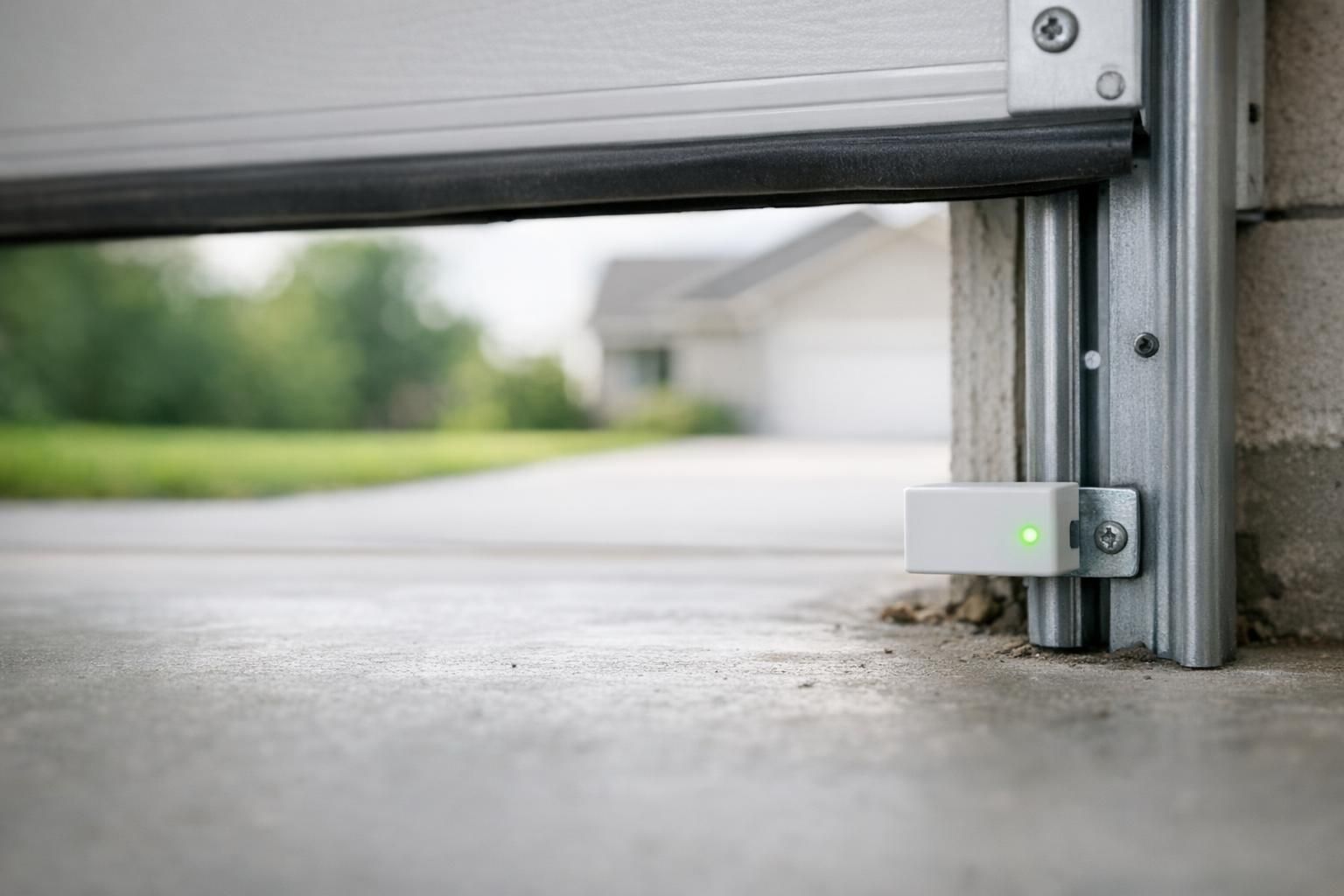
The most common culprit is moisture. When you pull a snow-covered car into your garage, the warmth from the engine and the slightly higher interior temperature melts that snow. That water then runs down the door and pools right under the rubber bottom seal. As the temperature drops overnight, that puddle turns into a powerful adhesive, bonding your door to the concrete threshold.
High humidity inside the garage also plays a role. If your garage isn't well-ventilated, moisture in the air can condense on the cold metal tracks and springs, occasionally causing moving parts to seize up.
Metal Contraction and Hardened Grease
Physics is not always a homeowner's friend in winter. Metal components — like your tracks, rollers, and springs — actually contract when the temperature dips below freezing. This contraction can cause the door to bind or feel much heavier than usual. Furthermore, standard lubricants that work great in July can thicken and harden in January, creating significant resistance for your opener.
Blowing Snow and Temperature Fluctuations
In areas like Harrisonburg or Waynesboro, wind-driven snow can be forced around the side seals of your door. This snow eventually melts slightly due to the sun or garage warmth and then refreezes into an icy barrier. If you notice your door struggling, it might be one of the 6 Obvious Signs Your Garage Door Needs Repair in Staunton VA, as worn-out weatherstripping absorbs more moisture and freezes much faster than new, pliable seals.
How to Safely Open a Frozen Garage Door
When you hit that button and hear the motor groan but nothing moves, your first instinct might be to panic. Don't. Take a deep breath and follow a systematic approach to free the door without causing a thousand dollars in damage.
Perform a Visual Inspection
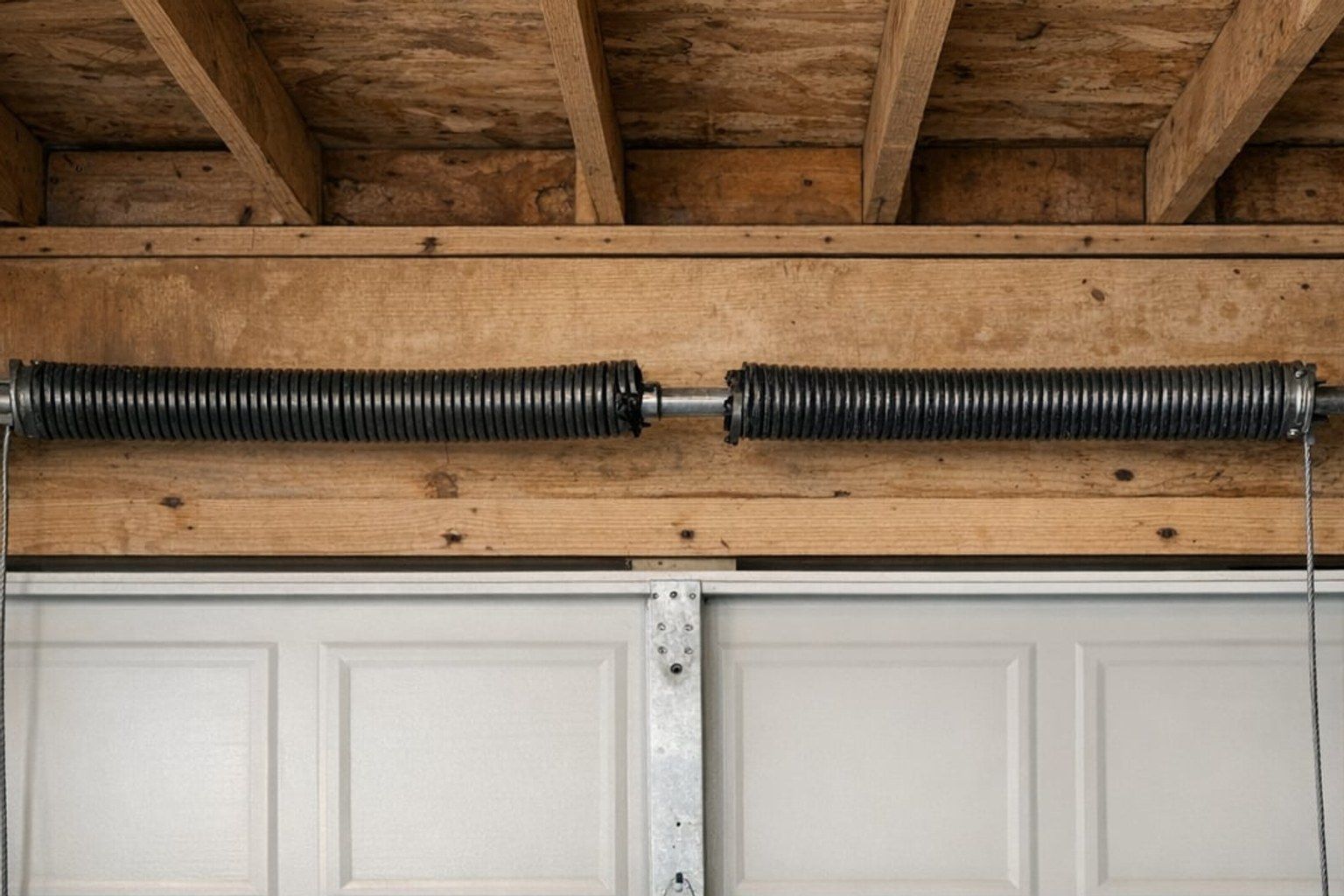
Before you touch anything, look at the base of the door. Is there a visible thicket of ice? Are the tracks clear? Check the "side locks" or manual sliding bolts on the inside of the door. Sometimes we forget we locked the door manually, and the "frozen" feeling is actually just the lock doing its job. Also, check for any broken springs or frayed cables. If you see a gap in your torsion spring, do not attempt to open the door manually; call for Residential Services immediately.
Manual Operation is Key
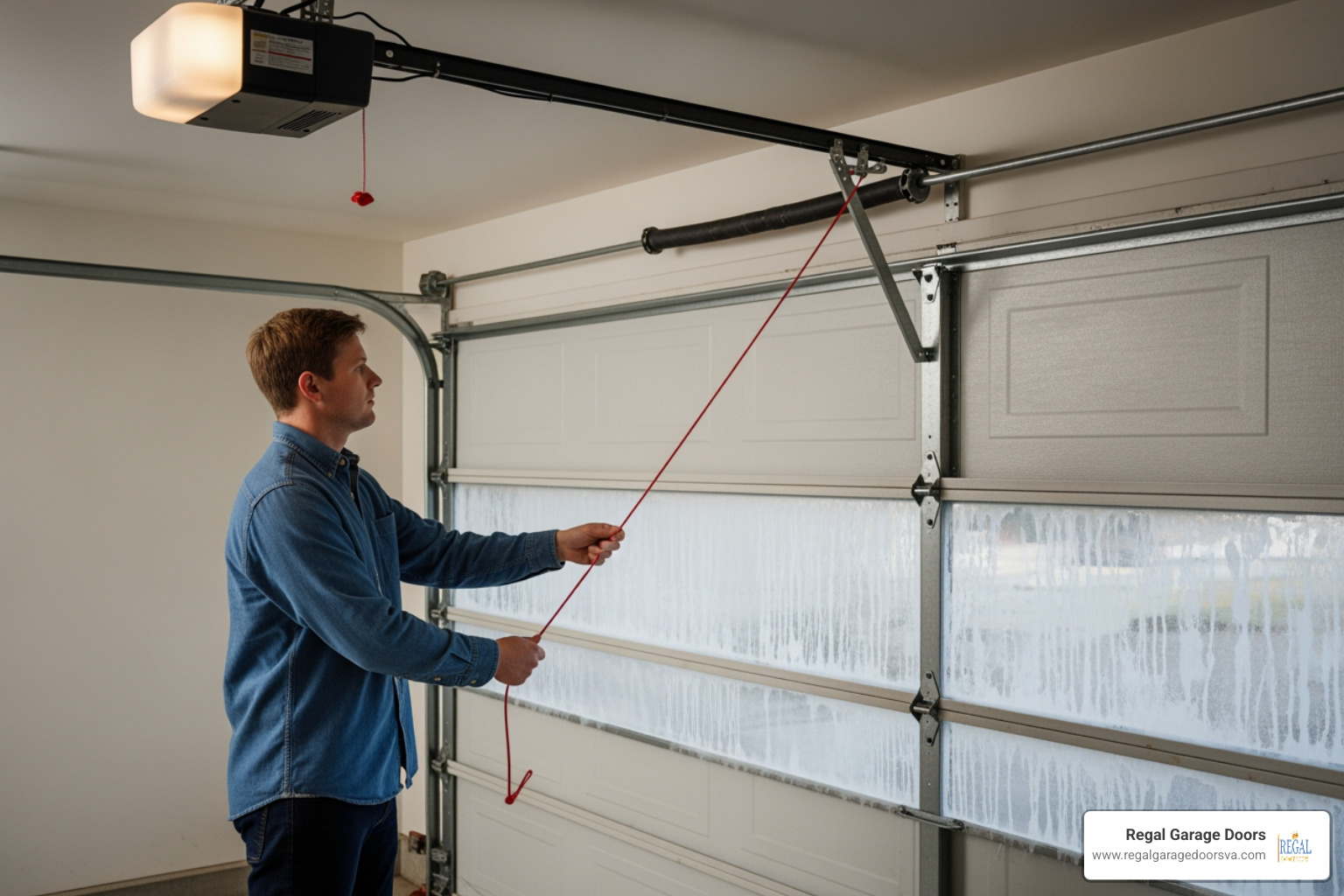
The golden rule of a frozen garage door is to never let the electric opener do the heavy lifting. Pull the red emergency release cord. This disengages the motor from the door. Now, you can try to lift the door by hand. This gives you "feedback" — you’ll be able to feel exactly where the door is sticking without the risk of the motor burning itself out trying to fight the ice.
Step-by-Step Guide to Thawing a Frozen Garage Door
If the door is truly stuck to the ground, you need to break that icy bond. Here is the safest way to do it:
- Clear the Perimeter: Use a shovel to remove any snow drifts from the outside of the door. You need a clear workspace.
- The Plastic Scraper Method: Grab a plastic ice scraper (the kind you use for your windshield). Gently chip away at the ice where the rubber seal meets the concrete. Avoid using metal shovels or screwdrivers, as these can easily slice through your rubber weatherstripping or scratch the door's finish.
- Apply Gentle Heat: This is the most effective DIY method. Use a hair dryer or a portable space heater.
- Tip : If using a hair dryer, keep it moving. Don't hold it in one spot for too long, or you risk melting the rubber seal or warping the door panel.
- Tip : If using a space heater, place it inside the garage pointed toward the frozen threshold, but keep it at least three feet away from any flammable materials or the door itself.
- The Warm Water Technique: If you're in a hurry, you can pour warm (not boiling!) water along the bottom of the door. The heat will melt the ice bond almost instantly.
- Dry Everything: This is the step most people skip. Once the door is free and open, use an old towel to completely dry the bottom seal and the concrete threshold. If you leave it wet, it will simply freeze shut again within the hour.
What to Avoid When Dealing with a Frozen Garage Door
In our years of serving the Augusta County and Charlottesville areas, we've seen some creative — and disastrous — attempts to free garage doors. To save your wallet, avoid the following:
- Don't Keep Pressing the Button: If the door doesn't open on the first try, stop. Repeatedly cycling the opener can burn out the motor or strip the nylon gears inside the unit.
- Avoid Boiling Water: While warm water is helpful, boiling water can cause "thermal shock." Pouring boiling water on a freezing cold concrete slab can cause the concrete to crack, and it can damage the structural integrity of your rubber seals.
- No "Muscling" It: Yanking the door with all your might while it's frozen can tear the bottom seal right off the door. It can also pull the door off its tracks or break the mounting bracket where the opener attaches to the door.
- Avoid Using the Car to "Push" or "Pull": It sounds like a joke, but we've seen it. Never use a vehicle to try to force a door open.
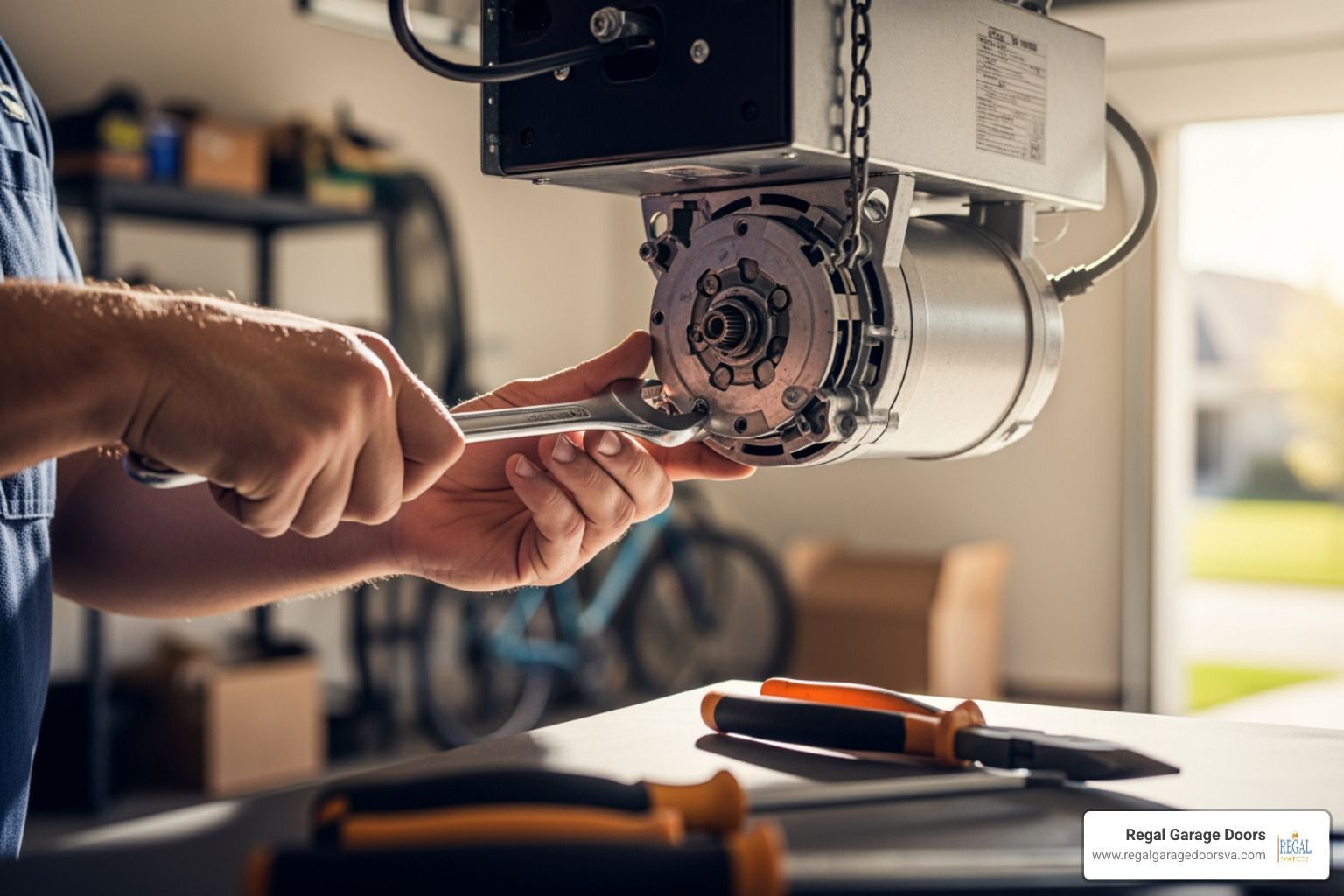
If you find that your door is free but the opener still won't move it, you may be looking at a mechanical failure. You can learn more about How Garage Door Opener Repairs Are Handled in Staunton VA to understand the professional repair process.
Best Methods to Melt Ice and Thaw the Seal
Choosing the right tool for the job depends on how much ice you're dealing with and how much time you have.
| Method | Speed | Safety Level | Best For |
|---|---|---|---|
| Hair Dryer | Medium | High | Small ice patches, rubber seals |
| Space Heater | Slow | Medium | Thawing the whole garage/threshold |
| Warm Water | Very Fast | Medium | Thick ice (requires immediate drying) |
| De-icer Spray | Fast | High | Preventing ice from bonding |
| Plastic Scraper | Medium | High | Physical ice chunks |
Chemical Melters and Abrasives
If the ground is consistently icy, you might be tempted to reach for the rock salt. However, we recommend caution. Rock salt is highly corrosive to the metal tracks and the bottom of steel garage doors. Instead, consider using sand or kitty litter. These won't melt the ice, but they provide excellent traction and create a "buffer" layer that makes it harder for the rubber seal to bond directly to the wet concrete.
If you must use a chemical melter, look for products labeled as safe for concrete and metal. Magnesium chloride is often a better choice than standard rock salt (sodium chloride).
Long-Term Prevention and Winter Maintenance
The best way to deal with a frozen garage door is to make sure it never freezes in the first place. A little bit of fall preparation goes a long way.
Silicone Lubricant: Your Secret Weapon
Petroleum-based lubricants (like standard WD-40) can actually degrade rubber over time and gum up in the cold. Instead, use a high-quality silicone-based lubricant.
- The Seal: Spray silicone lubricant on a rag and wipe down the entire length of the bottom rubber seal. This creates a water-repellent barrier that prevents ice from sticking to the rubber.
- The Moving Parts: Use a garage-door-specific spray (often a lithium or silicone base) on the rollers, hinges, and springs. This keeps them moving smoothly even when the temperature hits the single digits in Fishersville or Verona.
Snow and Drainage Management
Keep the area in front of your garage clear. If snow piles up against the door, it will eventually melt and seep under the seal. Ensure your driveway is graded so that water flows away from the garage, not into it. If you have a "slab-on-grade" garage where water tends to pool, consider installing a raised threshold barrier.
Daily Operation
Even if you don't plan on leaving the house, open and close your garage door at least once a day during a cold snap. This simple act breaks up any frost or light ice accumulation before it has a chance to become a thick, frozen bond.
Frequently Asked Questions about Frozen Garage Doors
Can I use salt to melt ice under my garage door?
While rock salt will melt the ice, we generally advise against it. Salt is the enemy of metal. It will accelerate rust on your door panels and can corrode the bottom retainers that hold your weatherstripping in place. If you are in a pinch, use it sparingly and wash the area thoroughly once the weather warms up. A better alternative is a "salt-free" de-icer or simply using sand for traction.
Will pouring hot water on the door damage it?
Warm water is safe and effective. Boiling water is risky. The extreme temperature difference can cause thermal shock to your concrete and potentially damage the finish on your door. If you use warm water, have a squeegee and towels ready. You must get that water out of there immediately, or you’ll have a much thicker layer of ice to deal with in twenty minutes.
When should I call a professional for a frozen garage door?
You should stop the DIY approach and call us if:
- The door is off-track or crooked.
- You hear a loud "bang" (indicating a broken spring).
- The opener makes a grinding noise but the screw or chain doesn't move.
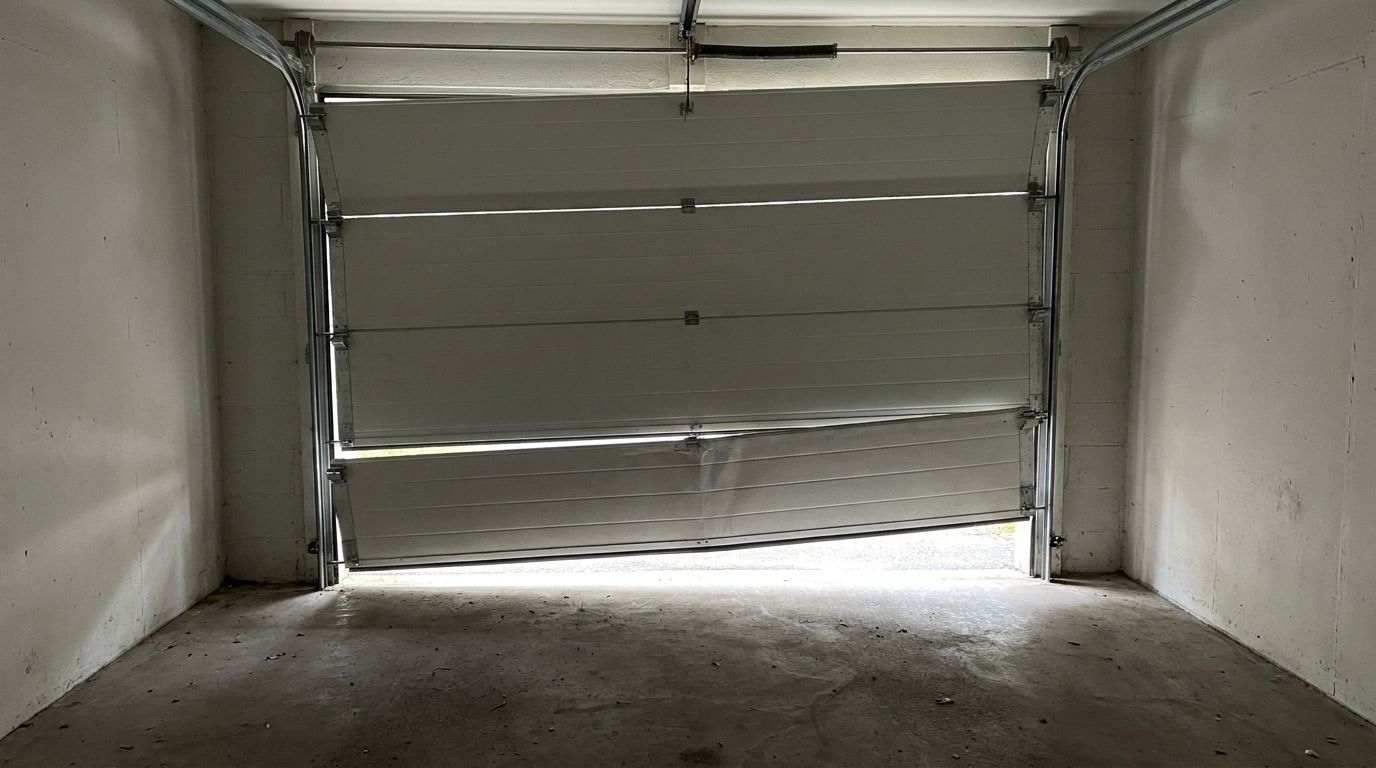
- The door is physically damaged from an attempt to pry it open.
- You’ve cleared the ice, but the door still won't budge manually.
If you notice any of these issues, it’s best to consult our Residential Services team to avoid further damage.
Conclusion
A frozen garage door is a classic winter headache, but with the right technique, it doesn't have to ruin your morning. Remember: patience over power. By disengaging the opener and using gentle heat, you can protect your investment and get your car back on the road safely.
At Regal Garage Doors, we’ve spent years helping neighbors in Staunton, Waynesboro, and Harrisonburg keep their homes accessible regardless of the weather. Whether you need an emergency repair or a pre-winter tune-up, our local expertise ensures your door is code-compliant and ready for the valley's toughest winters.
Don't let the ice win. If your door is giving you trouble or you're worried about the health of your opener, Contact us today. From Fishersville to Charlottesville, we are here to ensure your garage door stays moving all season long.