
The Lazy Person's Guide to Automatic Garage Door Closers
The Simple Fix for Forgetting to Close Your Garage Door
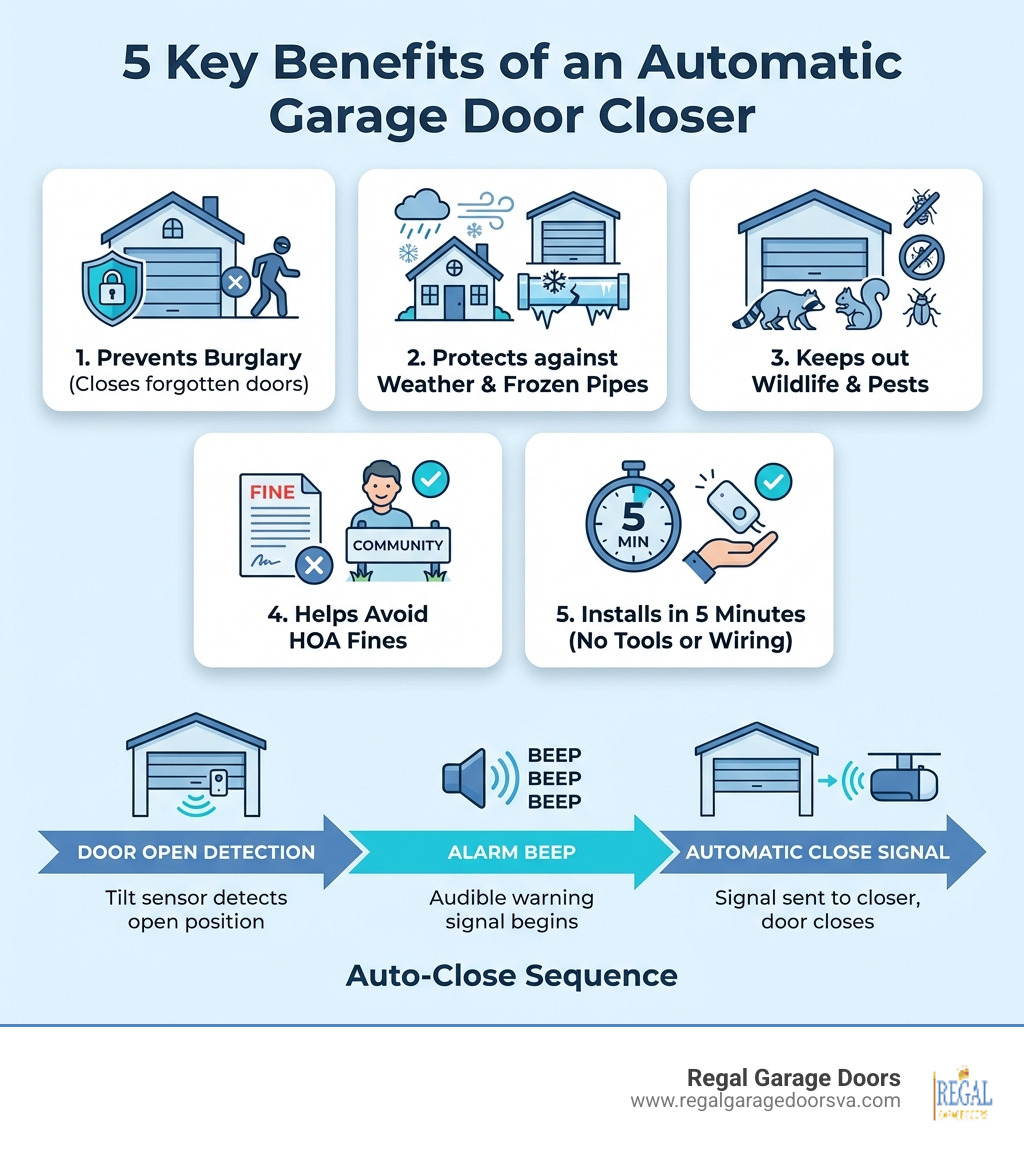
A garage door closer is an add-on device that automatically closes your garage door after a set delay — so you never have to wonder "did I leave it open?" again.
Here's how it works in a nutshell:
- You leave and your garage door opens
- The device detects the door is open via a built-in tilt sensor
- After your chosen delay (anywhere from 1 minute to 4 hours), it sends a signal to your opener
- The door closes automatically — no app, no remote, no memory required
Most homeowners don't think about automatic closing until something goes wrong. Maybe you drove halfway to work and couldn't remember if you closed the garage. Maybe a neighbor mentioned your door was open all afternoon. Or maybe you came home to find a raccoon had made itself comfortable in your garage.
These aren't rare events. They happen constantly.
And the stakes are real. An open garage door is one of the easiest entry points for a burglar. It exposes your home to weather, pests, and cold that can freeze exposed pipes. It can even trigger HOA fines in some neighborhoods.
The good news? Fixing this is genuinely easy. A modern automatic garage door closer installs in about 5 minutes, requires no wiring, and works with most major opener brands right out of the box.
This guide walks you through everything — how these devices work, how to install and program one, which brands they're compatible with, and what safety features to look for.
Understanding the Automatic Garage Door Closer
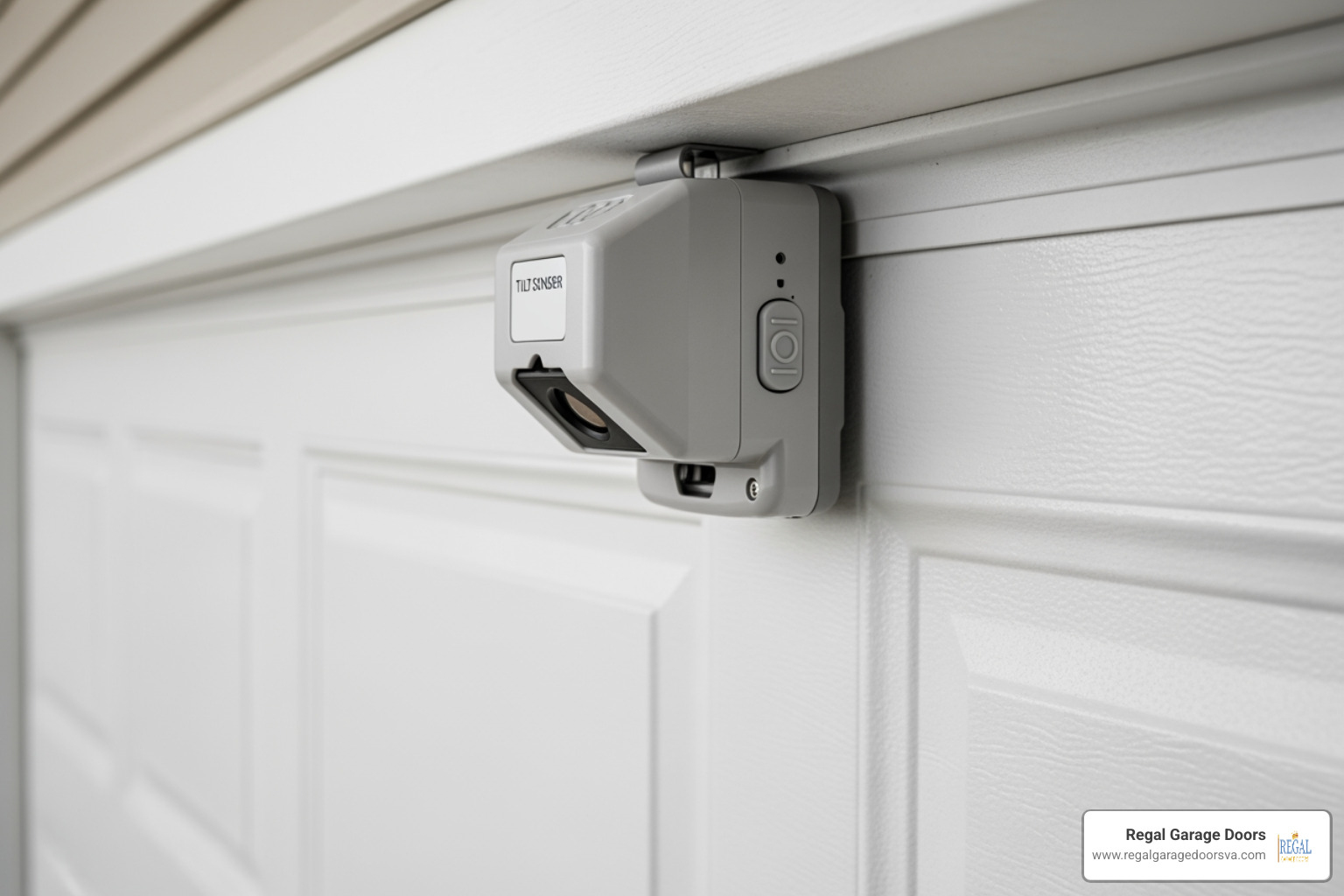
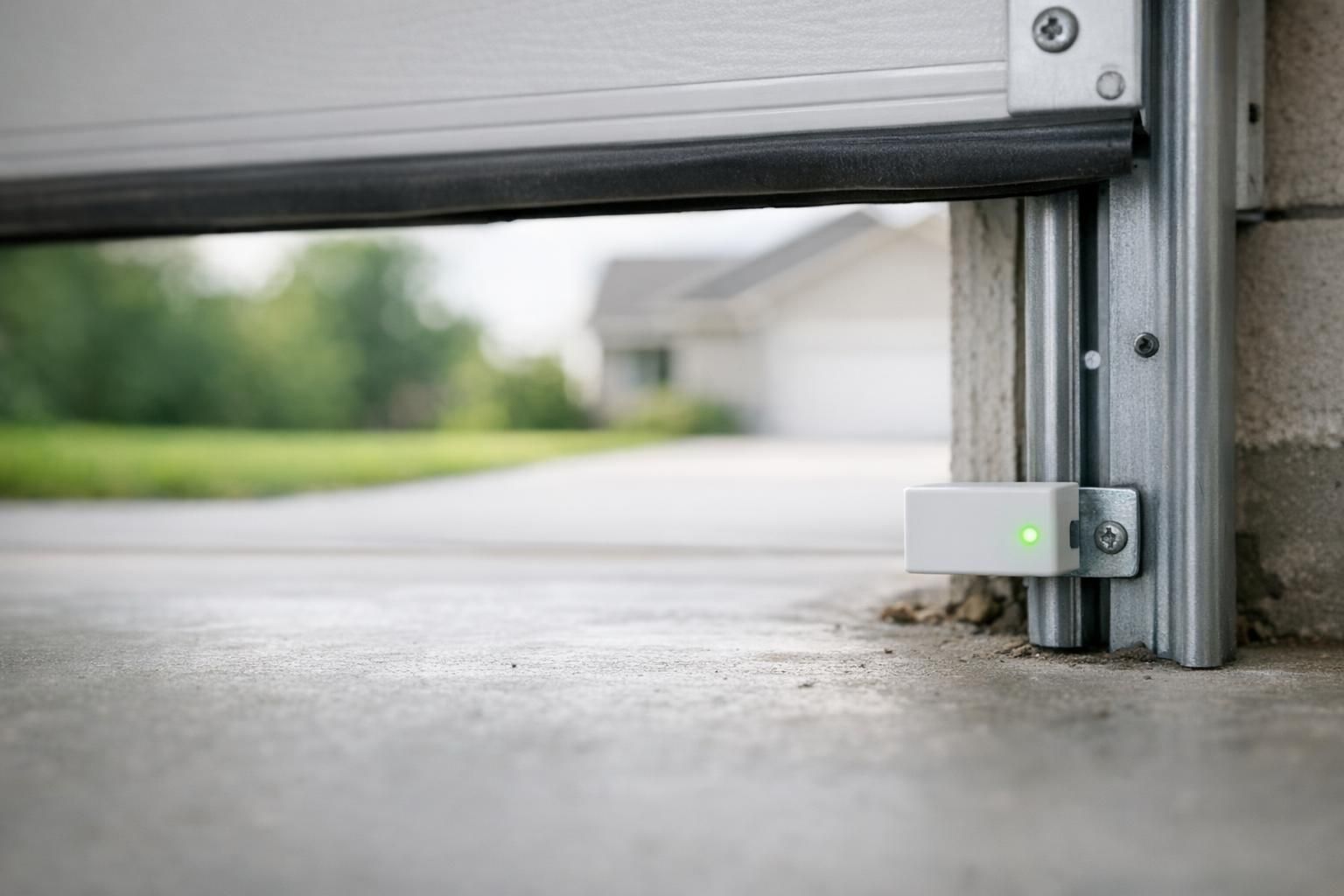
If you’ve ever lay awake at night wondering if you pressed the button on your remote, you’re the perfect candidate for an automatic garage door closer. These devices are remarkably simple in their brilliance. Most modern units, like the Protectrix, use an internal tilt sensor to determine the door's position. When the door moves from a vertical (closed) position to a horizontal (open) position, the sensor "wakes up" and starts a countdown.
Unlike older systems that required complex wiring back to the motor head, today’s best closers are battery-operated—usually running on a single 9V battery that can last up to two years. They function essentially like a secondary remote control that lives on your door. Once the timer hits zero, the device transmits a radio signal to your opener, mimicking the "close" command you’d usually give from your car.
Timer-to-Close Technology
The "Timer-to-Close" (TTC) feature is the heart of the system. It allows you to customize exactly how long you want the door to stay open. Some people want it shut the second they pull out of the driveway (1-2 minutes), while others might be working in the yard and want a 30-minute or 1-hour window before the system takes over.
| Feature | Manual Closing | Automatic Timer System |
|---|---|---|
| Reliability | Depends on human memory | 100% Automated |
| Installation | N/A | 5-Minute DIY |
| Security | High risk of being left open | Closes every time |
| Safety Warning | None | Audio/Visual Pre-close Alarm |
| Power Source | Human effort | 9V Battery |
How a Garage Door Closer Enhances Home Security
An open garage door is an invitation. It’s not just about your expensive power tools or your car; it’s about the "internal" door that leads from your garage into your kitchen. Often, homeowners leave this door unlocked, thinking the heavy garage door is security enough. If that big door stays open, your entire home is vulnerable.
By installing a garage door closer, you gain immediate peace of mind. Whether you’re at work in Harrisonburg or sleeping in Staunton, you know that your home’s largest entry point is sealed. Furthermore, many of these devices integrate with smart home ecosystems like myQ, allowing you to monitor the status from your phone. According to the Consumer Product Safety Commission (CPSC), modern automatic operators are designed with specific safety standards to prevent entrapment, making them a secure choice for families.
Compatibility with Major Opener Brands
One of the most common questions we get at Regal Garage Doors is: "Will this work with my specific motor?" The good news for residents in the Shenandoah Valley is that most major brands are compatible. This includes:
- Chamberlain/LiftMaster: These brands (owned by the same parent company) are the industry leaders in intelligent access.
- Genie: Known for their reliable screw-drive and belt-drive systems.
- Craftsman: A staple in many older homes in our area.
Most automatic closers work with any opener that uses standard remote control frequencies. However, some specialized doors, like certain Wayne Dalton models, may require specific configurations. If you aren't sure about your setup, you can check out more info about our residential services to see how we handle different brands and technologies.
Why Every Homeowner Needs an Automatic Garage Door Closer
Beyond simple security, there are several "real world" reasons to automate your door. In our neck of the woods—from Waynesboro to Woodstock—we deal with some unique environmental factors.
1. Weather Protection and Frozen Pipes We’ve all seen those sudden Shenandoah Valley cold snaps. If your garage door stays open overnight during a freeze, the temperature inside your garage can drop below 32°F in minutes. This puts any plumbing located in the garage or adjacent walls at risk of bursting. An automatic garage door closer ensures your garage stays insulated against the elements.
2. HOA Compliance and Fines Many Homeowners Associations in areas like Crozet or Fishersville have strict rules about keeping garage doors closed to maintain the neighborhood's aesthetic. Forget once, and you might get a friendly reminder. Forget twice, and you’re looking at a fine. A timer-to-close system is the cheapest insurance policy against HOA headaches.
3. Wild Animal Deterrent Raccoons, opossums, and even bears (if you’re closer to the Blue Ridge) love a warm garage. They can smell birdseed or trash from miles away. Once they get in, they can cause significant damage to your door’s weather stripping or sensors.
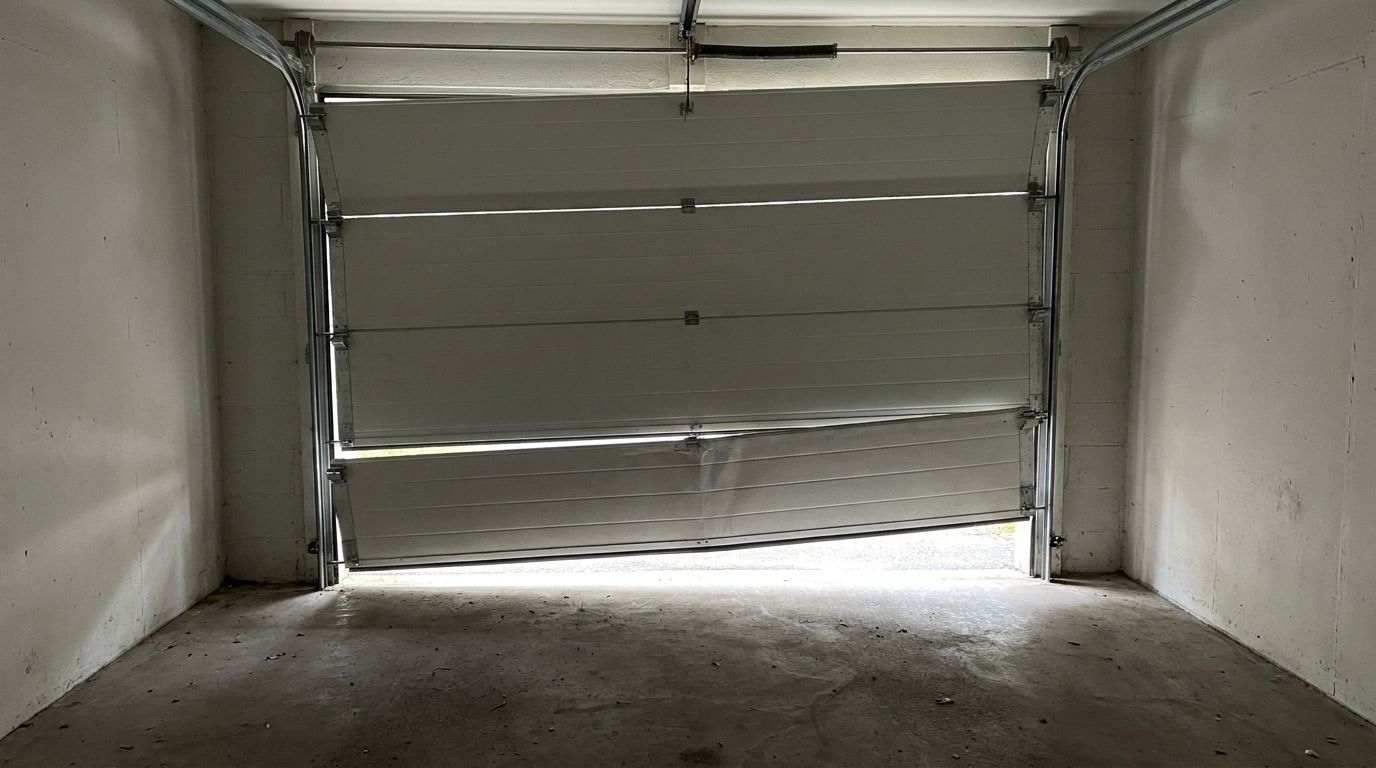
4. Identifying Hidden Issues Sometimes, a door that won't stay closed is a sign of a mechanical problem. If your automatic closer tries to shut the door and it keeps reversing, it might be time to look for 6 obvious signs your garage door needs repair.
How to Install and Program Your Device
The beauty of modern devices like the Protectrix is the "no-wire" installation. You don't need to be an electrician or a handy-person to get this done. In fact, most installs take less than five minutes.
Step 1: Programming the Signal Treat the garage door closer like a new remote. You’ll typically press the "Learn" button on your garage door motor (usually located under the light cover) and then press the button on the closer device. This syncs the two units.
Step 2: Mounting the Bracket Most units come with heavy-duty adhesive strips or small mounting brackets. You’ll want to mount the device on the top panel of your garage door. Why the top? Because that’s the panel that tilts the most when the door opens, giving the internal sensor the clearest reading.
Step 3: Testing the Tilt Open the door manually or with your remote. You should hear a small "beep" or see a light flash on the device, indicating it has detected the door is in the horizontal position and the timer has started.
Setting the Delay Timer
Customization is key. Most devices offer a range of delay settings to fit your lifestyle:
- 1–5 Minutes: Perfect for "quick departures" where you just want the door shut as soon as you're down the street.
- 10–30 Minutes: Great for unloading groceries or moving things in and out.
- 1–4 Hours: Ideal for DIYers who are working in the garage but might get distracted and head inside for dinner.
Most units also include a 30-second warning alarm. Before the door actually moves, the device will beep or flash to warn anyone nearby that the door is about to close. This is a critical safety feature that prevents the door from surprising a family member or pet.
Troubleshooting Your Garage Door Closer and Opener
If your door isn't closing as expected, don't panic. Usually, it's one of three things:
- Battery Replacement: If the device stops beeping or flashing, the 9V battery likely needs a swap. These typically last two years, but extreme cold in Augusta County can shorten that lifespan.
- Sensor Alignment: If the door starts to close but then reverses, check your photoelectric safety eyes at the bottom of the door tracks. If they are bumped out of alignment, the door will never close automatically.
- Signal Interference: Ensure there aren't large metal objects blocking the path between the closer device and the motor head.
For a full safety check, refer to this Garage Door Safety Checklist to ensure your entire system is in top shape.
Safety Features and Maintenance
Safety isn't just a buzzword; it's a necessity. Garage doors are the largest moving objects in most homes, and they can be dangerous. Statistics show that injuries caused by garage doors account for approximately 20,000 emergency room visits annually. Even more sobering, sixty children have been killed since 1982 by garage doors that failed to reverse.
When you add an automatic garage door closer, you are adding a layer of automation, which means you must be doubly sure your safety features are working.
The Protector System Every modern garage door opener is equipped with an auto-reverse mechanism. This includes:
- Photoelectric Sensors: The "eyes" at the bottom of your door. If anything breaks the beam while the door is closing, it reverses instantly.
- Pressure Sensors: If the door's bottom edge hits an object (like a trash can or a car bumper), the motor detects the resistance and sends the door back up.
Monthly Maintenance Checklist:
- Test the Reverse: Place a 2x4 piece of wood flat on the ground and close the door. It should reverse immediately upon hitting the wood.
- Check the Eyes: Wave a broom through the sensor beam while the door is closing.
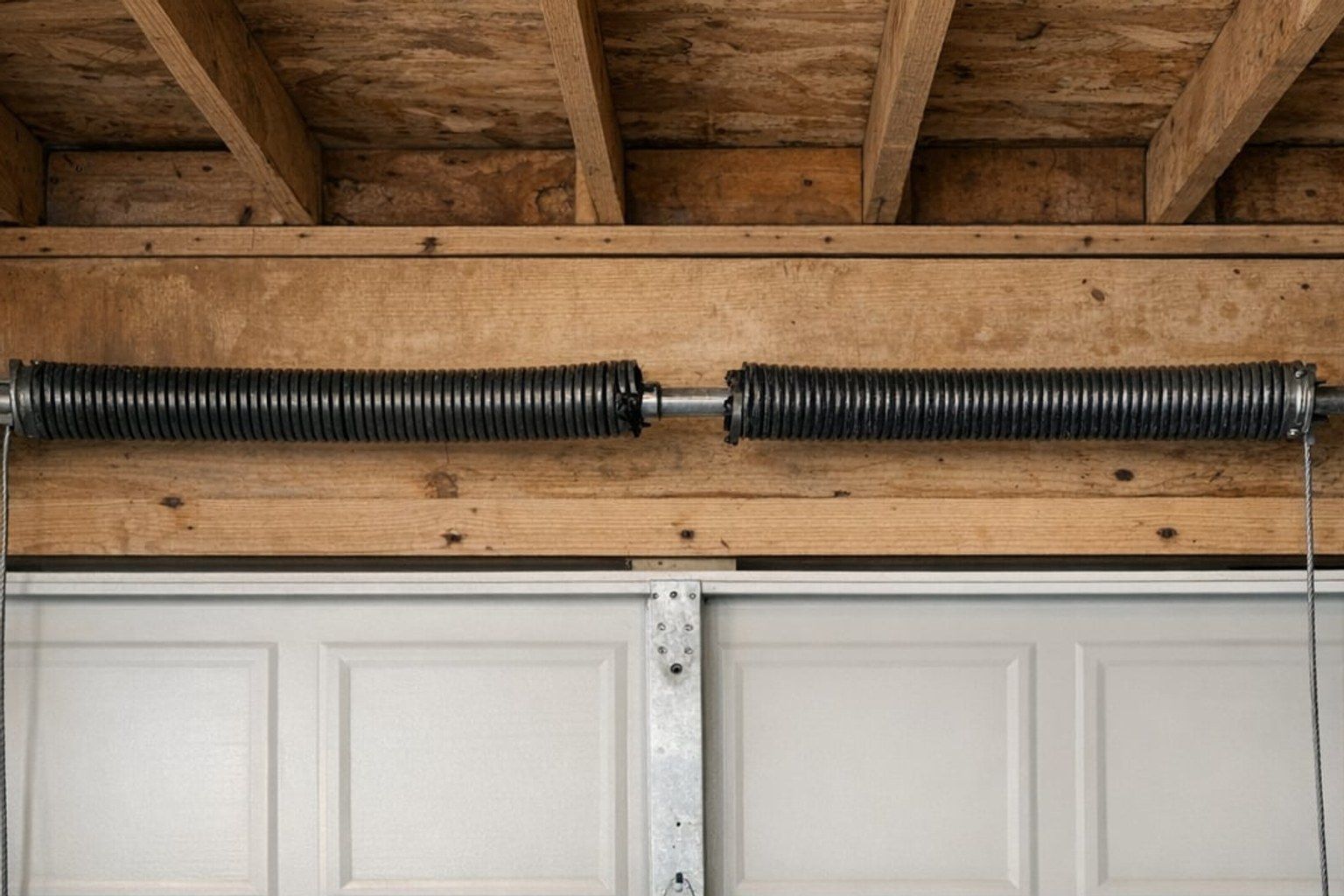
- Listen for Noise: Grinding or squeaking could mean your springs are strained.
- Inspect Hardware: Tighten any loose bolts on the tracks or brackets.
If you find that your door is acting up during these tests, it’s best to call in the pros. You can learn more about how garage door opener repairs are handled in Staunton VA to see what a professional inspection entails.
Frequently Asked Questions
Do automatic closers work with all door types?
Most automatic closers are designed for "sectional" garage doors—the ones that roll up in segments and sit parallel to the ceiling when open. These are known as Type A or B configurations. They may not work with "one-piece" swing-out doors because the tilt angle isn't as distinct.
How long does the battery typically last?
In the moderate climate of the Shenandoah Valley, a standard 9V battery in a garage door closer typically lasts about two years. However, frequency of use and extreme temperature swings can affect this. Most devices will give you a "low battery" chirp to let you know it's time for a change.
Can I disable the timer for parties or yard work?
Yes! Most devices have an "Off" or "Manual" setting. If you're hosting a graduation party in Waynesboro and want the garage open for four hours, you simply toggle the switch or set the delay to "Off" so the door stays exactly where you put it.
Conclusion
An automatic garage door closer is one of those rare home upgrades that is inexpensive, easy to install, and provides immediate value. It solves the "did I close the door?" anxiety once and for all, while protecting your home from burglars, pests, and the unpredictable Virginia weather.
At Regal Garage Doors, we pride ourselves on being the local experts for the Harrisonburg, Waynesboro, and Staunton areas. Whether you need a simple add-on device, a full opener replacement, or a complex repair, we provide code-compliant installations and transparent quotes that you can trust. We stand by our work with solid warranties because we live and work in the same communities you do.
Don't leave your home's security to chance. If your garage door opener is old, unreliable, or lacks modern safety features, schedule your professional garage door opener repair today and let us help you automate your peace of mind.