
How to Insulate Your Garage Without Losing Your Cool
Is Insulating Your Garage Worth It? Here's What You Need to Know
Insulating your garage is one of the most overlooked home upgrades — and one of the most rewarding. Here's a quick overview of how to do it:
- Choose your insulation type — fiberglass batts, rigid foam, Rockwool, spray foam, or cellulose
- Start with walls and ceiling — these are your biggest sources of heat loss
- Seal gaps and cracks first — air sealing makes insulation far more effective
- Add a vapor barrier — placed on the warm side of the wall
- Don't forget the garage door — it's a major weak point for temperature control
- Cover with drywall — required for fire safety in most cases
Most garages aren't fully insulated. Even attached garages often only have insulation on the one wall shared with the house — leaving the rest exposed to whatever the weather throws at them.
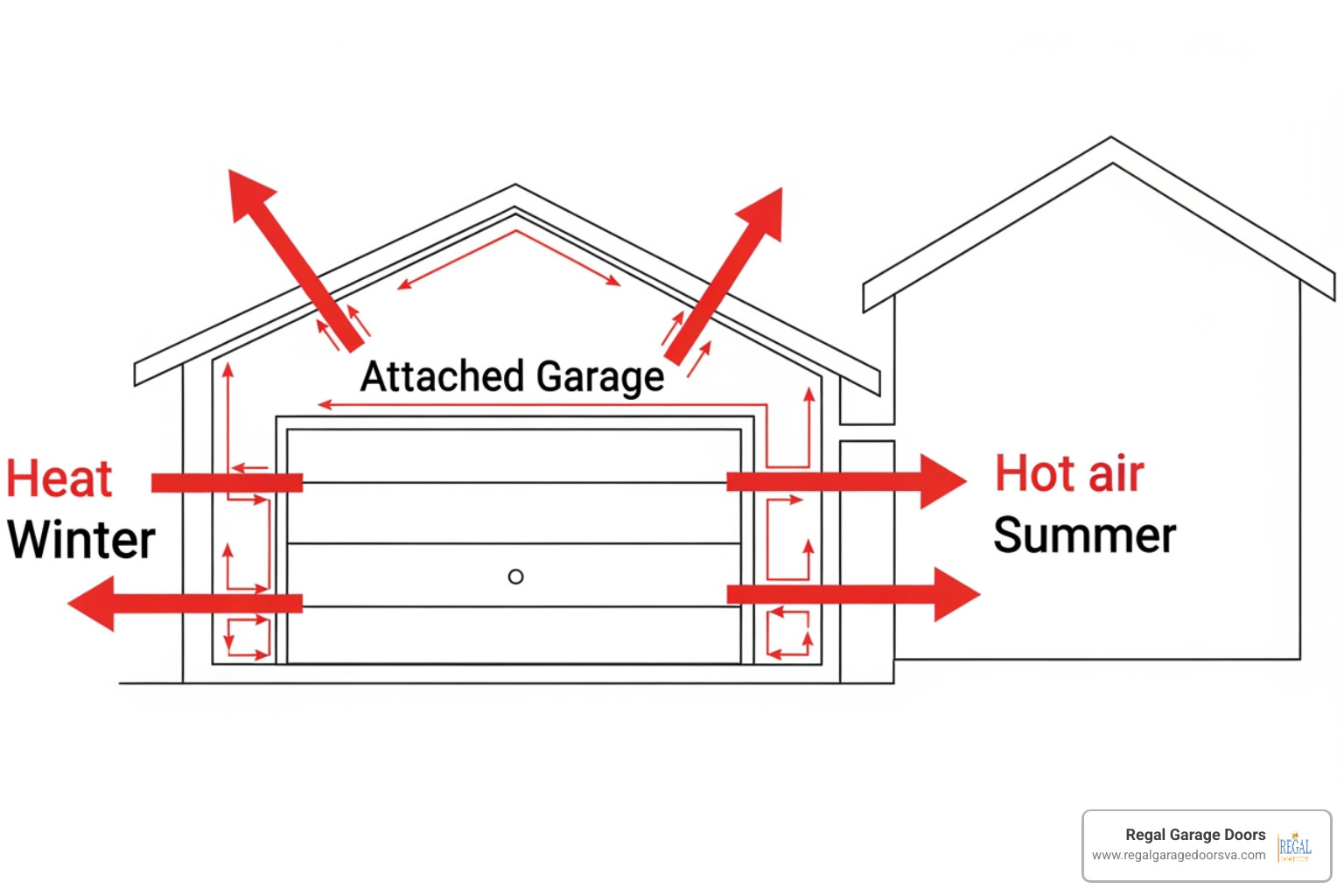
The result? Your garage turns into a giant oven in summer and a walk-in freezer in winter. That temperature extreme doesn't stay in the garage. It bleeds into your home, strains your HVAC system, and quietly drives up your energy bills.
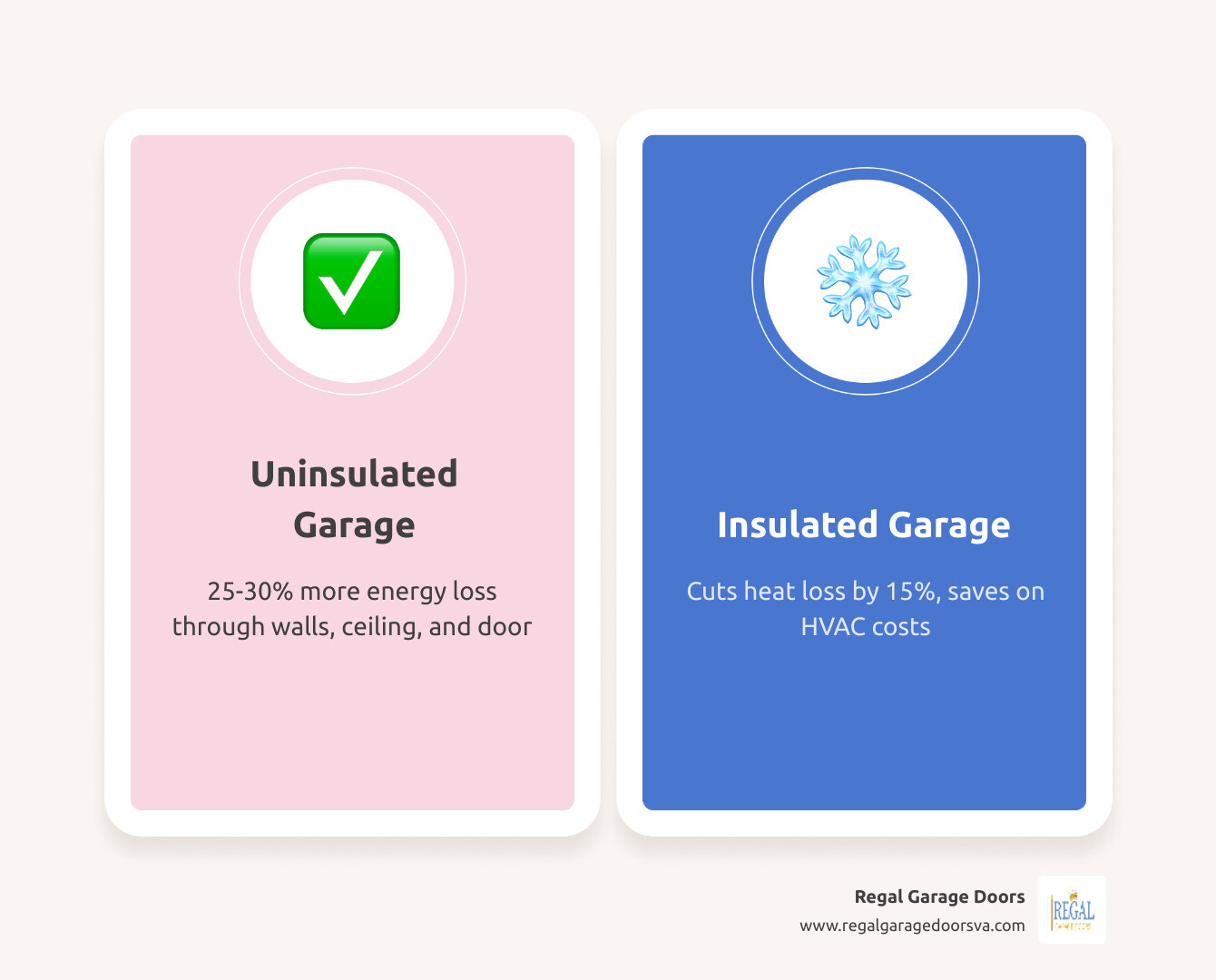
The average American home already loses 25–30% of its energy through drafts and poor insulation. An uninsulated garage makes that problem worse.
The good news: fixing it is more straightforward than most homeowners think — and it pays off. Whether you're a DIYer or prefer to call in a pro, this guide walks you through everything.
Why Insulating Your Garage is a Smart Investment
Living in the Shenandoah Valley, we see it all—from humid, sweltering summers in Harrisonburg to those biting winter winds in Woodstock. If your garage is attached to your home, it acts as a massive "buffer zone." When that zone isn't insulated, it forces your home's HVAC system to work overtime to keep your living room comfortable.
According to the EPA, upgrading your insulation and air sealing can reduce your heating and cooling costs by 15%. But the benefits go beyond just the monthly bill. Insulation upgrades can yield an incredible 83% return on investment (ROI) when it comes to home value.
Here is why we recommend insulating your garage:
- Noise Reduction: If you live near a busy road in Waynesboro or Staunton, insulation acts as a sound barrier, keeping the "din" of the outside world from entering your sanctuary. It also keeps your power tool projects from bothering the neighbors!
- Thermal Boundary: It creates a stable climate for your vehicles. Cold temperatures are notorious for killing car batteries, while extreme heat can damage interior plastics and fluids.
- Fire Protection: Properly installed insulation and drywall provide a critical fire-rated barrier between your garage (where flammable liquids like gas and oil are often kept) and your living space.
- Pest Control: A well-insulated and sealed garage is much less attractive to rodents and insects looking for a cozy place to nest.
Choosing the Right Materials for insulating your garage
Before you run to the hardware store in Fishersville, you need to understand R-value. This is a measure of how well a material resists heat flow. The higher the R-value, the better the insulation. In Virginia’s climate, we typically look for R-13 to R-15 for walls and R-30 or higher for ceilings.
The Best Materials for insulating your garage
There isn't a "one-size-fits-all" answer. The best material depends on whether your walls are already finished and what your budget looks like.
| Insulation Type | Best For | Pros | Cons |
|---|---|---|---|
| Fiberglass Batts | Unfinished walls | Cheap, DIY-friendly, fits standard 2x4 studs | Can irritate skin/lungs, sags if not secured |
| Rockwool (Mineral Wool) | Fire & Soundproofing | Fire-resistant, rot-resistant, deters pests | More expensive than fiberglass |
| Rigid Foam Board | Garage Doors & Thin Walls | High R-value per inch, moisture resistant | Must be covered with fire-rated material |
| Spray Foam | Hard-to-reach gaps | Best air seal, high performance | Expensive, usually requires a professional |
| Blown-in Cellulose | Finished walls | No need to tear down drywall, eco-friendly | Requires specialized blower equipment |
- Fiberglass Batts: Most garages are framed with 2x4s spaced 16 inches apart. This is the perfect setup for standard 15-inch wide Batt Insulation.
- Rockwool: We love this for Augusta County homes because it is incredibly dense. It doesn't just stop heat; it stops sound and fire in their tracks.
- Spray Foam: While pricey, Spray Foam is the gold standard for sealing those pesky drafts around windows and headers.
Cost-Effective Methods for insulating your garage
Insulating your garage doesn't have to break the bank. On average, garage insulation costs range between $0.50 and $3 per square foot for materials.
If you're on a budget, the "cheapest and easiest" method is often a combination of air sealing and fiberglass batts. Before you put up a single piece of insulation, grab a caulking gun and some spray foam to seal the gaps where the wall meets the floor and around any electrical outlets.
Don't forget to check the ENERGY STAR Rebate Finder. Many local utilities in the Charlottesville and Shenandoah Valley areas offer incentives for energy-efficiency upgrades that can help offset your initial costs.
Step-by-Step Guide to Insulating Garage Walls and Ceilings
Ready to get to work? Whether you're in a new build in Crozet or a historic home in Staunton, here is how we handle the process.
Step 1: Preparation Clear out the clutter! You need access to the walls. Inspect for any signs of water leaks or dampness. If you have moisture coming through your masonry, seal it with a masonry sealant before adding insulation.
Step 2: Air Sealing Use a Caulking gun and Masonry sealant to fill cracks. This is a crucial step; insulation stops heat transfer , but it doesn't always stop air leaks.
Step 3: Installation (Unfinished Walls) If you have exposed studs, simply press your Fiberglass batts into the cavities. Ensure they fit snugly but aren't compressed. If you squash them, you actually lose R-value! Use a Utility knife to trim around outlets.
Step 4: Dealing with Finished Walls If your garage already has drywall, you have two choices:
- The "Drill and Fill" Method: Cut small holes at the top of each stud cavity and use Blown-In cellulose or fiberglass.
- The Overlay Method: Install Kooltherm K118 Insulated Plasterboard directly over the existing drywall. This adds insulation without the mess of a teardown.
Step 5: The Ceiling Heat rises, so the ceiling is your most important area. If you have an attic space above the garage, Blown-In insulation is usually the fastest and most effective way to get high R-values.
Required DIY Tools:
How to Master Garage Door Insulation
You can insulate your walls until they are two feet thick, but if your garage door is a thin sheet of uninsulated metal, you’re still going to lose heat. Think of it as wearing a heavy parka but leaving it unzipped in a blizzard.
For most homeowners in the Shenandoah Valley, a garage door insulation kit is a great DIY weekend project.
- Rigid Foam Panels: These are cut to fit into the recessed panels of your door. They provide excellent R-value and a clean look.
- Reflective Foil: This is great for garages that get direct afternoon sun in the summer, as it reflects radiant heat away from the door.
- Weatherstripping: Don't forget the bottom seal and the side stops! A huge amount of air enters through the perimeter of the door.
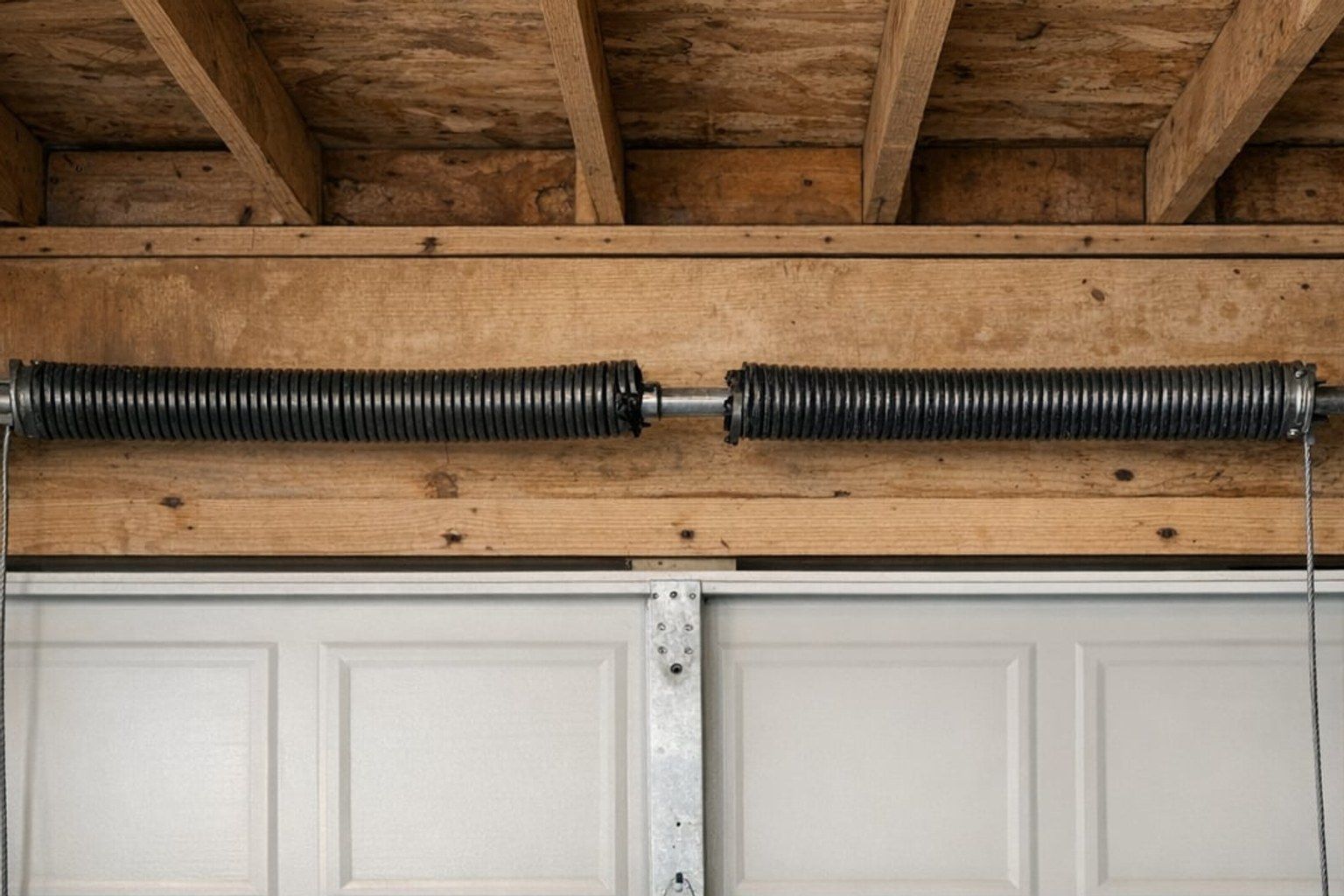
A word of caution: Insulation adds weight. Even a few pounds can throw your garage door springs out of balance. If your door feels heavy to lift manually after insulating, give us a call at Regal Garage Doors. We can recalibrate your springs to ensure your opener doesn't burn out prematurely.
Essential Safety and Moisture Control Tips
Safety first! When insulating your garage, you’re often dealing with materials that can be literal "irritants."
- Safety Gear: Always follow safe fiberglass insulation installation practices. Wear long sleeves, gloves, goggles, and a high-quality N95 mask. Fiberglass is made of tiny glass shards that you definitely don't want in your lungs or on your skin.
- Vapor Barriers: Do you need a vapor barrier? In our region, the vapor barrier usually goes on the "warm-in-winter" side (facing the interior of the garage). This prevents moisture from your breath or a wet car from seeping into the insulation and causing rot or mold.
- Fire Codes: Most local building codes in Harrisonburg and Waynesboro require insulation to be covered by 1/2-inch or 5/8-inch drywall. Exposed foam or fiberglass can be a fire hazard and a "critter magnet."
- Ventilation: Never block your roof vents or soffits. Your garage needs to "breathe" to prevent moisture buildup, especially if you park a snow-covered car inside during a Shenandoah winter.
Frequently Asked Questions about Garage Insulation
Is it worth insulating a detached, unheated garage?
It depends on how you use it. If it’s just for the lawnmower and some old boxes, probably not. However, if you use it as a workshop, gym, or for long-term vehicle storage, insulation helps stabilize the temperature and prevents the dramatic "sweating" (condensation) that leads to rust and mold.
What R-value is recommended for garage walls and ceilings?
For our Virginia climate, we recommend R-13 to R-15 for the walls. For the ceiling, you want to go as high as possible—ideally R-30 to R-40—since that is where the majority of your heat escapes in the winter.
Do I need to cover my insulation with drywall?
Yes, in almost all cases. Not only is it a fire safety requirement, but it also protects the insulation from physical damage and makes your garage look like a finished, professional space.
Conclusion
Insulating your garage is a smart, high-ROI investment that makes your home more comfortable, quieter, and more energy-efficient. Whether you are tackling a DIY project or looking for a professional upgrade, the benefits are clear from the first time you walk into a garage that isn't 100 degrees in July.
At Regal Garage Doors, we’ve spent years serving the Harrisonburg, Waynesboro, and Staunton communities. We know the local building codes and the unique challenges our Virginia weather presents. While we don't install wall insulation, we are the local experts in garage door insulation, spring recalibration, and high-efficiency door replacements.
If you’ve insulated your walls and realized your old door is the "weak link," or if your door has become too heavy to open after a DIY insulation job, we are here to help. We provide transparent quotes and code-compliant service across Augusta County, Charlottesville, and the entire Shenandoah Valley.
Ready to take the next step toward a more comfortable home? More info about residential services is just a click away, or you can contact USI online for a free wall insulation quote to get your project started.