
Fall and Winter Garage Door Prep for Shenandoah Valley Homes
Fall in the Shenandoah Valley is the best time of year to get your garage door ready for winter, and most of the work takes an afternoon. Cold mornings, freezing rain and the occasional snow that sits on the driveway for days are hard on the parts that keep a door sealing and moving: weatherstripping, the bottom seal, rollers, hinges, springs and the opener itself. A door that runs fine in September can start sticking, groaning or refusing to close once the first hard freeze arrives.
The short answer for homeowners in Harrisonburg, Staunton, Waynesboro and across Augusta County: before winter, inspect and replace worn seals, clean and lubricate the moving metal parts, test the safety features and the door balance, clear the floor where the door meets the slab, and have any spring or cable concern looked at before the cold makes it worse. This guide breaks that into a checklist you can work through, explains what cold weather actually does to a garage door, and covers which jobs are yours and which belong to a technician. Regal Garage Doors serves homes from Harrisonburg to Crozet and Charlottesville, and these are sensible steps for any homeowner heading into the cold months.
Fall and Winter Garage Door Prep Checklist
Use this table as your quick reference. Work through it on a dry fall afternoon, ideally before the first hard frost.
| Task | Why it matters in winter | DIY or pro | Sign it needs attention |
|---|---|---|---|
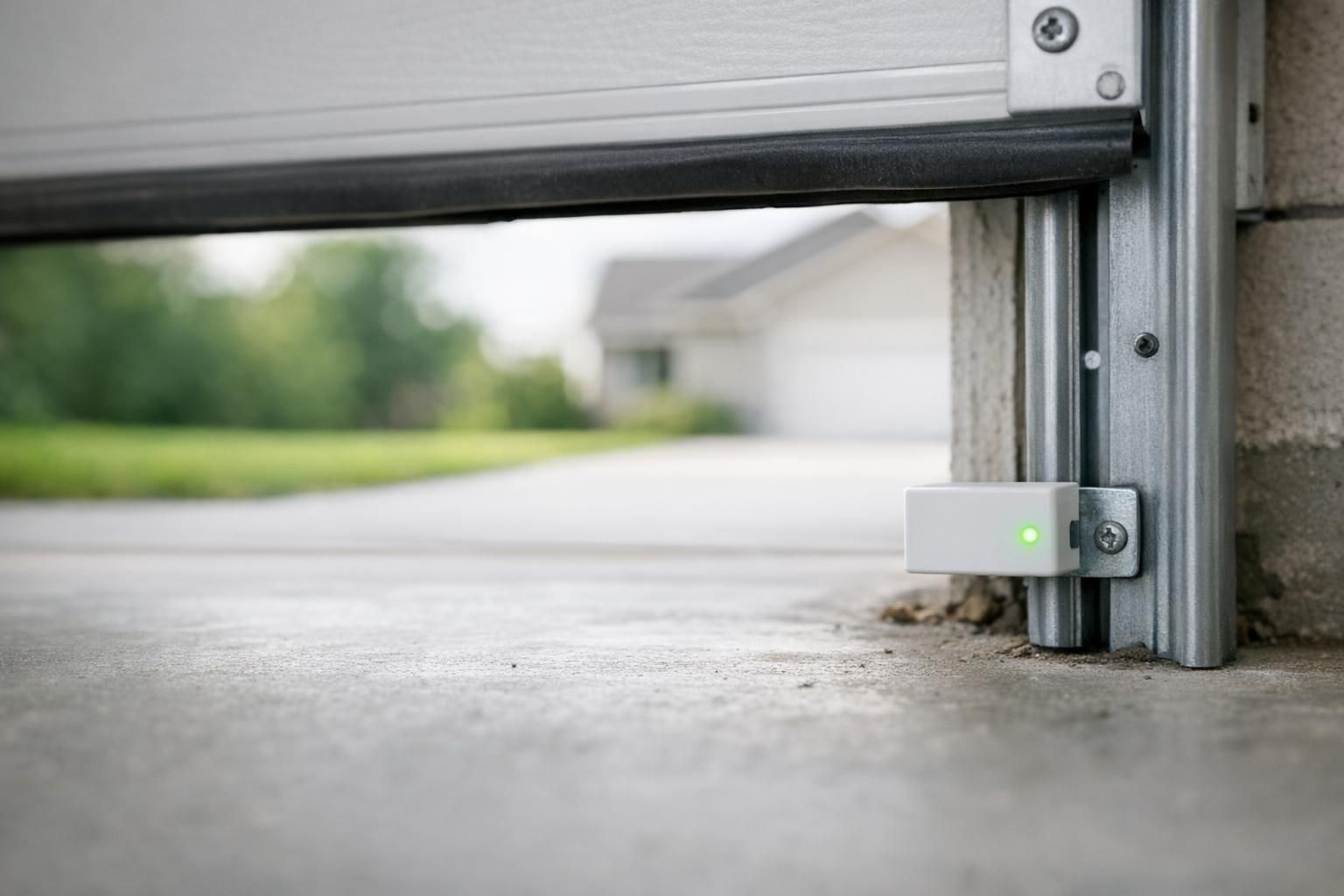
| Inspect the bottom seal | Blocks drafts, water and snowmelt, and keeps the door from freezing to the floor. | DIY to inspect, often DIY to replace | Cracks, flattened rubber, daylight under the door |
| Check side and top weatherstripping | Keeps cold air and blowing snow out of the garage and the rooms next to it. | DIY | Gaps, brittle or torn strips, light around the edges |
| Lubricate rollers, hinges and springs | Cold thickens old grease and makes metal parts stiff and noisy. | DIY with a garage door lubricant | Squealing, grinding, jerky movement |
| Clean the tracks | Grit and leaves in the tracks make the door work harder in the cold. | DIY, wipe only | Debris, sticky spots, rollers catching |
| Test photo-eyes and auto-reverse | Snow, ice and salt build-up can block sensors or change how the door closes. | DIY to test | Door reverses on its own or fails to reverse on contact |
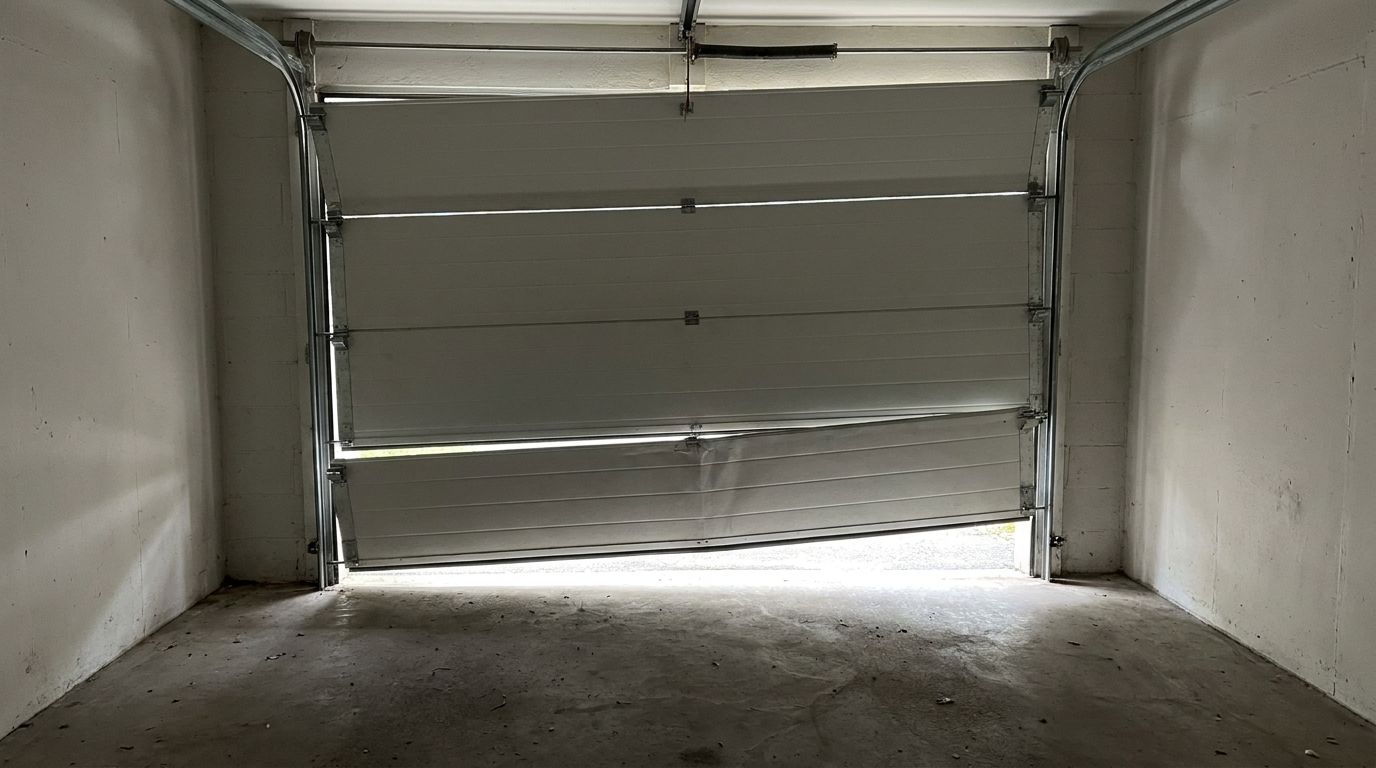
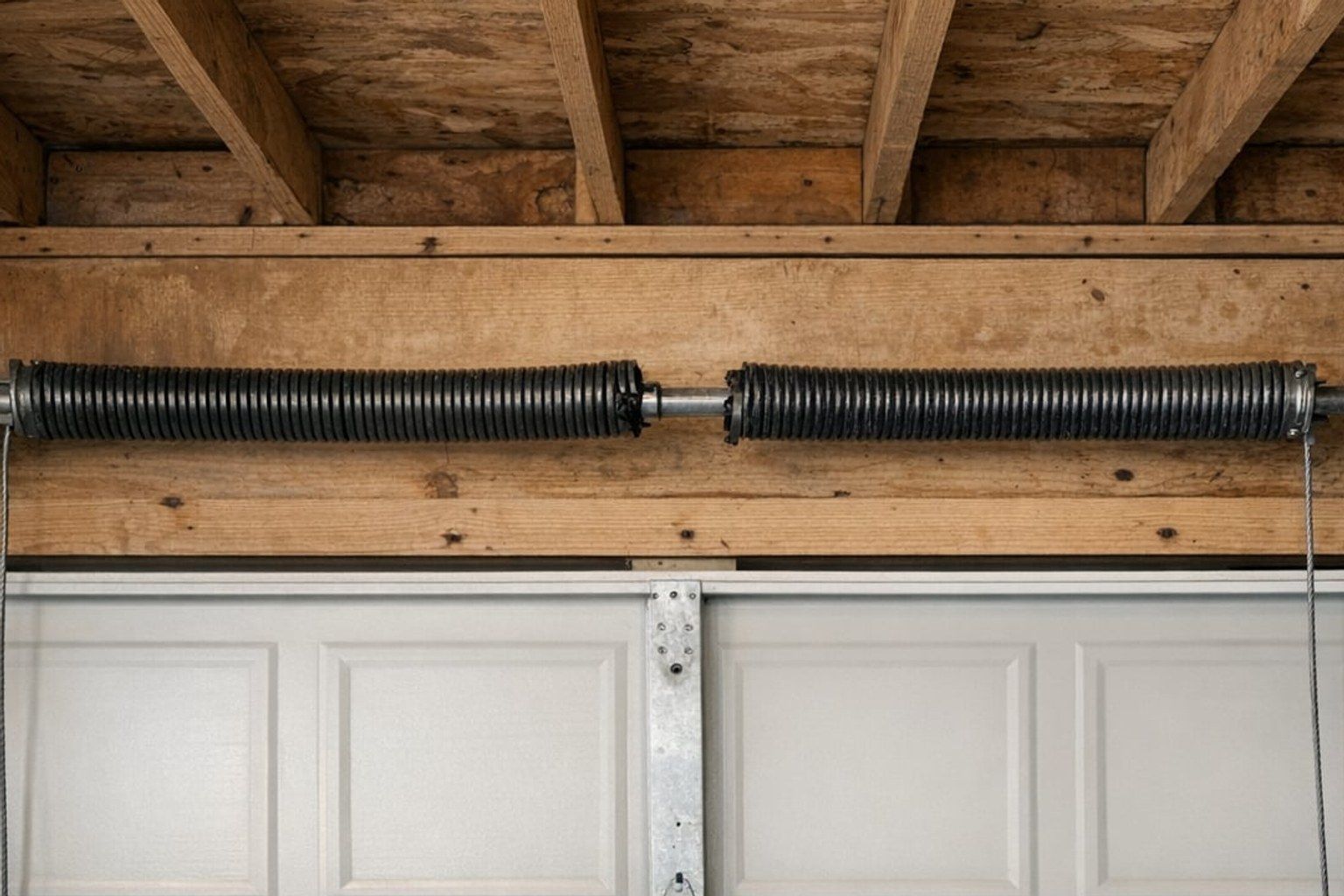
| Check the door balance and springs | Springs work hardest in cold weather and are under high tension. | Pro for any repair or adjustment | Door feels heavy, slams, or a spring shows a gap |
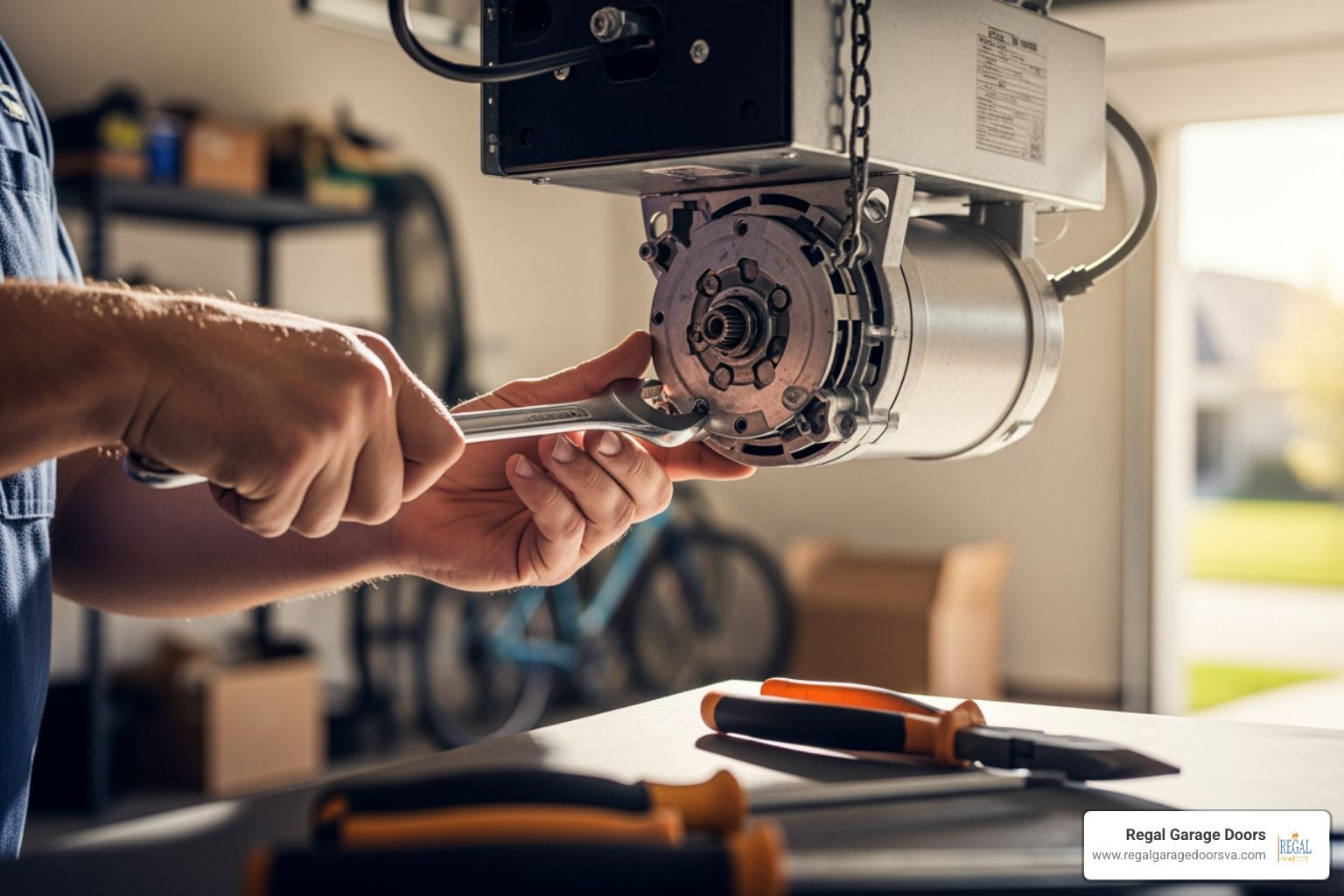
| Look over the opener | An opener straining against a stiff door wears faster. | DIY to observe, pro to adjust | Door stops partway, opener hums or strains |
What Cold Weather Does to a Garage Door
Most winter garage door problems are not sudden failures. They are small issues that were already there in the fall and get worse when temperatures drop. Understanding what the cold does makes it easier to prevent.
- Metal contracts. Tracks, springs, hinges and fasteners all shrink slightly in the cold. Parts that were just barely aligned in summer can start to bind.
- Lubricant thickens. Old grease on rollers and hinges gets stiff in cold weather, so the door moves slowly or jerkily and the opener has to work harder.
- Rubber stiffens. Weatherstripping and bottom seals lose flexibility. A seal that was already worn can crack or stop sealing altogether.
- Moisture freezes. Rain, snowmelt and slush that collects under the door can freeze the bottom seal to the concrete overnight.
- Springs carry more stress. Springs that are near the end of their life often give out during cold snaps, when the metal is under the most strain.
Garages here see enough freezing nights each winter for these problems to show up.
Seal Out Drafts: Weatherstripping and the Bottom Seal
The seals are the part of winter prep homeowners notice most, because a worn seal shows up as a cold garage, a cold room above the garage, leaves and snow blowing in, and water pooling on the floor. Start here.
With the door closed and the garage lights off on a bright day, stand inside and look at the edges. Daylight around the sides, top or bottom tells you exactly where the gaps are. Then check the seals themselves:
- Bottom seal. Run your hand along the rubber strip at the bottom of the door. It should be flexible and make full contact with the floor. Cracks, flat spots, chewed sections or a gap at one end all mean it is time for a new one.
- Side and top weatherstripping. The strips along the door frame should press lightly against the door when it is closed. Look for brittle, split or missing pieces.
- Uneven floor. If the slab has settled and the door only seals on one side, a new seal alone may not close the gap. That is worth having a technician look at.
- Threshold area. Sweep away leaves, gravel and debris where the door lands so the seal can sit flat.
Replacing side and top weatherstripping is usually a manageable homeowner job, and we cover it step by step in our guide to garage door weather sealing. Bottom seals vary by door, so match the replacement to the retainer on your door before you buy anything.
Lubricate and Clean the Moving Parts
A door that squeals or shudders in January almost always needed lubrication in October. Cleaning and lubricating the right parts is one of the easiest ways to keep a door moving smoothly through the cold months, and it takes about fifteen minutes.
- Use the right product. Use a lubricant made for garage doors. Avoid thick household grease, which collects dirt and stiffens in the cold.
- Rollers. Apply a small amount to the roller bearings. Skip nylon rollers that do not have exposed bearings.
- Hinges. Lubricate the pivot points on each hinge between the door sections.
- Springs. A light coat on torsion springs helps them run quietly. Apply it without touching, adjusting or loosening any part of the spring system.
- Tracks. Wipe the tracks clean with a dry cloth. Do not grease the tracks, since grease there collects grit and makes rollers slide instead of roll.
- Wipe off the excess. Extra lubricant drips onto the floor and the car and attracts dirt.
Run the door through a few full cycles afterward to spread the lubricant and listen for any noise that did not go away. Grinding or banging that persists after lubrication usually points to a worn roller, a bent track or a spring problem rather than a dry part.
Test Safety Features and Door Balance Before the Cold Sets In
Winter adds two things that affect garage door safety: snow and ice that collect near the floor, and a door that is stiffer and heavier to move. Both are reasons to test the safety systems in the fall rather than waiting for a problem.
- Clean the photo-eyes. Wipe both sensor lenses near the floor and make sure the indicator lights are steady. Plan to check them again after snowstorms, since snow, slush and salt spray can block the beam.
- Test the beam. Close the door and pass a broom handle through the beam. The door should reverse.
- Test auto-reverse. Lay a piece of lumber flat on the floor under the door and close it. The door should reverse when it touches the board.
- Check the balance. With the door closed, pull the manual release, lift the door by hand to about halfway and let go carefully. It should stay roughly in place. Reconnect the opener afterward.
- Look at the springs and cables. A gap in a torsion spring, rust, or frayed lift cables are reasons to call before winter, not after.
If your door fails any of these tests, do not raise the opener's force setting to make it close. That hides the problem and can stop the door from reversing when it should.
Winter Habits That Prevent Problems
Once the door is prepped, a few habits through the cold months keep it working until spring.
- Clear snow and ice from the door's path. Shovel and de-ice the area where the door meets the slab so the seal does not freeze to the floor.
- Do not force a frozen door. If the door is stuck to the ground, running the opener can tear the seal or strain the opener. Free the seal first. Our guide on opening a garage door that is frozen shut covers how to do it safely.
- Keep salt and slush off the sensors. Knock snow off cars and boots away from the photo-eyes.
- Watch the door close. In icy weather, make sure the door reaches the floor and seals before you drive away.
What Skipping Winter Prep Costs You
One of the most frustrating winter garage door problems is a door that will not open on a cold morning, often with a car inside and somewhere to be. In many cases, the cause was already visible in the fall: a worn seal that let water pool and freeze, a dry roller that finally seized, or a tired spring that gave out when the temperature dropped.
Skipping prep also costs you in less dramatic ways. A gap under the door lets cold air into the garage and any room that shares a wall with it, and lets in leaves, snowmelt and pests. An opener that spends all winter straining against a stiff, poorly balanced door wears out sooner, turning a simple fall tune-up into an opener replacement. Regal offers same-day service when a door does give out, and financing is available if a winter failure turns into a new door or opener you did not plan for this year. But the cheaper path is almost always catching the problem in the fall.
Why Valley Homeowners Trust Regal Garage Doors
Seals and lubrication are reasonable homeowner work. Springs, cables, opener settings and door balance are not. When your fall inspection turns up something in the second group, this is what you get when you call Regal:
- A licensed contractor. Regal Garage Doors is a division of Stoneburner Inc and holds Virginia Class A contractor license #2701037133.
- Same-day service. A door that will not open or close in freezing weather is not something to wait on.
- Clopay doors and LiftMaster openers. If winter prep shows your door or opener is due for replacement, we work with Clopay garage doors and LiftMaster openers. We also offer SunSetter awnings for the warmer months.
- Financing available. Financing options help when a replacement is the right call and the timing is not ideal.
- Local service area. We serve Harrisonburg, Waynesboro, Staunton, Augusta County, Crozet and Charlottesville.
You can learn more on our residential garage door services page.
Get Your Garage Door Ready for a Shenandoah Valley Winter
If your fall check turned up a spring gap, a frayed cable, a door that feels heavy or slams, or a seal that cannot close the gap on an uneven floor, now is the time to get it looked at, before the first freeze turns a small issue into a stuck door.
Call Regal Garage Doors at 540-208-1007. Tell us what you found during your inspection and what the door is doing. Springs, cables, opener settings and door balance are jobs for a qualified technician, and a professional inspection can sort out what needs attention now and what can wait. Regal offers same-day service, and financing is available if a new Clopay door or LiftMaster opener turns out to be the right call.
Frequently Asked Questions
How do I winterize my garage door?
Inspect and replace worn weatherstripping and the bottom seal, lubricate rollers, hinges and springs with a garage door lubricant, wipe the tracks clean, and test the photo-eyes, auto-reverse and door balance. Clear the floor where the door lands. Leave any spring, cable or opener adjustment to a technician.
Why won't my garage door close all the way in cold weather?
Cold weather can block the photo-eye sensors with snow or salt spray, stiffen the bottom seal, and thicken old lubricant so the door binds. Clean the sensors and clear the floor first. If the door still stops or reverses, have the balance, springs and opener settings checked rather than turning up the force.
What should I do if my garage door is frozen to the ground?
Do not keep running the opener, since it can tear the seal or strain the motor. Disconnect the opener if needed, then free the seal by gently melting or chipping away the ice along the bottom edge without prying on the door. Clearing snowmelt from the slab before freezing nights helps prevent it.
What kind of lubricant should I use on a garage door in winter?
Use a lubricant made specifically for garage doors and apply it lightly to rollers with exposed bearings, hinges and torsion springs. Avoid heavy household grease, which stiffens in the cold and collects dirt. Do not grease the tracks themselves. Wipe them clean so the rollers roll freely.
Do garage door springs break more often in winter?
Springs are under constant high tension, and cold weather adds stress to the metal. A spring that is already worn is more likely to give out during a cold snap. If you see a gap in a spring, rust, or a door that suddenly feels heavy, call for service rather than running the door.
When is the best time to get my garage door serviced before winter?
Early to mid fall is ideal, before the first hard freeze. Problems found in the fall can be fixed on your schedule instead of on a frozen morning. If your door is showing warning signs now, Regal offers same-day service across Harrisonburg, Staunton, Waynesboro and the surrounding area.
Does Regal Garage Doors service doors in Crozet and Charlottesville?
Yes. Regal serves Harrisonburg, Waynesboro, Staunton, Augusta County, Crozet and Charlottesville. If your fall check points to a new Clopay door or LiftMaster opener, or your door is not running right, call 540-208-1007 to schedule. Same-day service and financing are both available.